

Skin concerns · Wrinkles and fine lines
Wrinkles show on the surface but start deep beneath it.
Fine lines and wrinkles appear as the network of collagen and elastin that supports your skin grows thinner. Time, sun and everyday habits wear it down. You can protect that network and support its renewal, and peer-reviewed studies show what works.
- The sun's share of the visible signs of aging on the face
- 80%
- The sun's share of the visible signs of aging on the face[1]
- Less skin aging over 4.5 years with daily sunscreen
- 24%
- Less skin aging over 4.5 years with daily sunscreen[2]
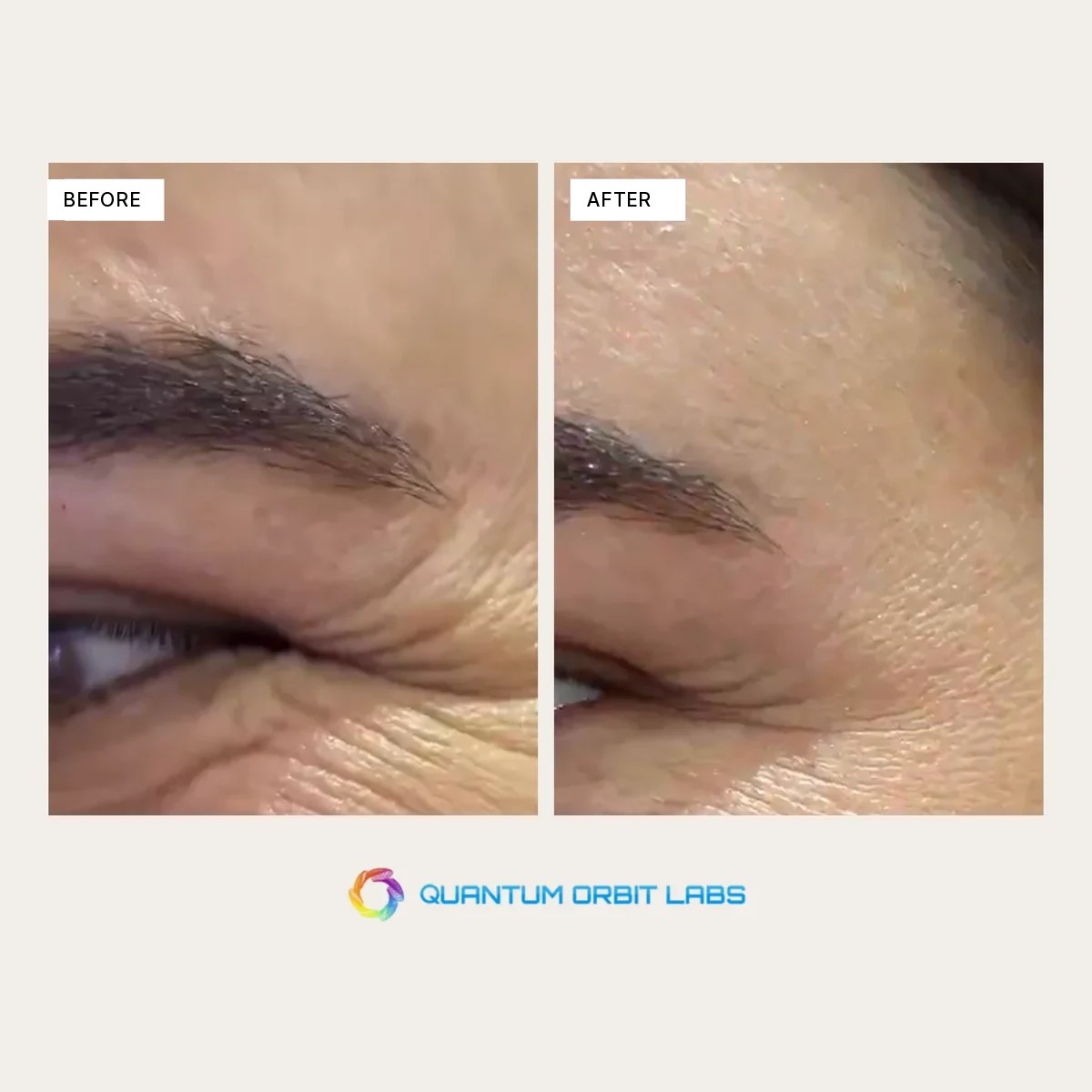
- Areas around the eyes that improved after a single in-clinic radiofrequency session
- 83%
- Areas around the eyes that improved after a single in-clinic radiofrequency session[3]
What are wrinkles
Not all lines are alike.
Lines in the skin fall into three groups, depending on how deep they are and when they appear. Knowing which one you are looking at is the first step towards the right care.
01
Fine lines
Shallow lines that sit in the skin's upper layer. They are mostly linked to moisture loss and a thinning epidermis, and they fade quickly once the skin is well hydrated.
- Where they appear
- Under the eyes, outer corners of the eyes, upper cheeks
- What helps
- Hydration with hyaluronic acid, daily sun protection
02
Expression lines
The lines that appear when you smile, frown or squint. After years of facial muscles folding the same spot, skin with less collagen can no longer spring back from the crease as quickly as it once did.
- Where they appear
- Crow's feet, forehead, between the brows
- What helps
- Retinoids and peptides that support collagen production, radiofrequency
03
Static wrinkles
Deeper lines that stay visible even when your face is at rest. They form when the collagen and elastin network in the dermis, the skin's lower layer, thins out and the skin loses firmness. They often appear alongside sagging.
- Where they appear
- Lines from nose to mouth, around the lips, neck
- What helps
- A consistent routine that combines a retinoid, radiofrequency and red light; a dermatologist's opinion for deep folds
Young skin
Aging skin
- Collagen bundles
- Elastin fibres
- Fibroblast, the cell that makes collagen
- Hyaluronic acid
Beneath the skin
The real story of a wrinkle is written in the dermis.
Skin owes its firmness to the dermis, the layer beneath the epidermis. Here, collagen bundles work like a scaffold, elastin fibres like springs, and hyaluronic acid like a moist gel filling the spaces in between. With age and sun exposure, all three weaken together.
- CollagenThe load-bearing protein of the dermis. Skin collagen declines steadily with age throughout adulthood, and women have less of it than men at every age.[4]
- FibroblastsThe cells that produce collagen. As the collagen network around them breaks down, they have nothing to hold on to, so they shrink and make less collagen. Fibroblasts from people over 80 produced about a third less type I procollagen (the precursor of collagen) than those from people aged 18 to 29.[5]
- Elastin and tenascin-XElastin lets skin stretch and spring back. Tenascin-X is a protein in the support network between cells (the matrix) that keeps collagen fibres organized and elastic fibres in balance. When that order breaks down, skin loses its elasticity.[6]
- Hyaluronic acidA moisture molecule that can bind up to a thousand times its own volume in water, and the reason skin looks plump and supple. In aging skin, its capacity to hold water steadily declines.[7]
- MMP enzymesUV rays from the sun increase MMP enzymes, which break down collagen in the skin. Each time skin is exposed again, a little more unrepaired damage accumulates. Photoaging and chronological aging run along the same molecular pathways.[8]
Why it happens
Two clocks run at once.
Two processes age the skin: intrinsic aging, which comes with the years, and extrinsic aging, which the environment speeds up. The first can't be stopped. The second is largely in your hands.
The sun's share of visible aging
80%
In a study that assessed 22 signs of aging on the faces of 298 women, about 80% of the visible signs were linked to the sun. Wrinkles and textural changes advance with both age and sun exposure, and the gap between women who seek the sun and women who avoid it becomes clear after 50.[1]
The inner clock
Genetics and time. Fibroblasts slow down with age, collagen production falls and the dermis thins. This happens to everyone; the pace differs from person to person.[4,5]
The outer clock
- SunThe biggest external driver of visible aging. It increases the enzymes that break down collagen, and it reaches your skin on cloudy days too.[1,8]
- SmokingRaises the risk of wrinkles even after accounting for age, sex and sun exposure. Smoking exposure is measured in pack-years: packs smoked per day multiplied by the number of years smoked. In people with more than 50 pack-years, premature wrinkling was 4.7 times more common, and combined with sun exposure the risk compounded.[9]
- SleepWomen who had slept poorly for a long time showed more pronounced signs of intrinsic aging. In good sleepers, the skin barrier recovered 30% more within 72 hours.[10]
- Sugar and glycationSugar in the blood binds to collagen and elastin and forms advanced glycation end products (AGEs). These bonds stiffen the fibres and reduce elasticity.[11]
- Repeated expressionsWhen the same muscle folds the same spot thousands of times, skin with less collagen turns those folds into lasting lines. There is no need to hold back your expressions; the aim is to support your skin's ability to bounce back.
Evidence map
The data shows what works.
Not every approach recommended for wrinkles has equally strong evidence behind it. The list below sets out, side by side, what peer-reviewed studies found and how strong that evidence is.
Daily sunscreen
903 adults, 4.5 years, randomized controlled trial
People who used a broad-spectrum sunscreen every day showed no detectable increase in skin aging; their skin aged 24% less than that of occasional users.[2]
StrongRetinol (vitamin A)
36 people, 24 weeks, double-blind, placebo-controlled
0.4% retinol markedly reduced fine wrinkle scores. Biopsies (small samples of skin tissue) showed more collagen production and more water-binding glycosaminoglycans; the improvement was visible from week 4.[12]
StrongHydroxypinacolone retinoate (HPR)
Lab-grown skin model; comparative clinical study with 71 women
This retinoid ester binds directly to the retinoid receptors in the cell. In the skin model, it raised procollagen production to a level similar to tretinoin, a prescription retinoid, without causing a stronger inflammatory response. A serum with HPR and peptides matched or outperformed in-clinic fractional CO₂ laser on most wrinkle measures.[13,14]
ModerateRadiofrequency
86 people, single session, 6-month follow-up; at-home device with 32 women, 12 weeks, split-face controlled
With in-clinic radiofrequency, wrinkle scores improved by at least one point in 83.2% of the areas around the eyes. On the half of the face where the at-home device was used, wrinkles, radiance and skin thickness improved significantly compared with the side that received only a cosmetic product.[3,16,17]
ModerateRed light
136 volunteers, 30 sessions, controlled study
In the light groups, independent assessors rated wrinkles as improved in 69 to 75% of participants, against 4% in the control group. Collagen density, measured by ultrasound, increased.[18]
ModerateHyaluronic acid
76 women, 60 days, eye area, placebo-controlled
All the creams with 0.1% hyaluronic acid improved hydration and elasticity; the low-molecular-weight forms (smaller molecules) also significantly reduced wrinkle depth.[7]
ModeratePeptides
Review of controlled studies
Signal peptides (short protein fragments) can prompt fibroblasts to produce collagen. The evidence is promising but still limited for individual peptides.[15]
EarlyKangaroo paw extract (Anigozanthos flavidus)
Lab study; 28-day placebo-controlled study with 42 women
In the lab, it increased type I collagen by 136%, tenascin-X by 39% and elastin by 43%. A cream with 2% extract reduced wrinkle depth by 5% after 1 hour and by 10% after 28 days.[6]
EarlyVitamin C
Review
An essential cofactor for the enzymes that stabilize the collagen molecule, it also boosts collagen production in fibroblasts. Derivatives are preferred because they stay stable on the skin.[19]
Early
Strong: a randomized controlled study in people, with participants assigned to groups at random. Moderate: a controlled or multicentre clinical study. Early: laboratory data or a limited number of studies. Some of the kangaroo paw extract and HPR data comes from studies run by the companies that produce these ingredients.
Red light
Participants whose wrinkles improved[18]
- Control group, no light 4%
- Broad spectrum (570-850 nm) 75%
- Red light (611-650 nm) 69%

Clinical research reference
Radiofrequency: waking collagen with heat.
Fawzy and Putranti's 2025 review sums up how radiofrequency stimulates the skin: collagen and elastin production increases, heat shock proteins (which protect cells from heat stress) switch on, and the supporting tissue between cells renews itself. Controlled heat first tightens the existing collagen fibres; over the following weeks, the skin then builds new collagen. The firming effect of single clinical sessions has been followed for months.[3,17]
Clinical devices work at higher energy than at-home devices. At home, the effect builds more gradually and depends on regular use.
What to expect, and when
Collagen changes take months.
Hydration and tightening show within hours; collagen-related change takes weeks and months. The timeline from the studies helps you set realistic expectations.
- 1 hourThe kangaroo paw extract cream reduced wrinkle depth by 5%: an instant effect that tightens the fibres.[6]
- 4 weeksWith the same cream, the effect reached 10%. In retinol users, the reduction in fine wrinkles became noticeable from this week on.[6,12]
- 60 daysLow-molecular-weight hyaluronic acid significantly reduced wrinkle depth around the eyes.[7]
- 12 weeksOn the half of the face where an at-home radiofrequency device was used, wrinkles, radiance and skin thickness improved significantly.[16]
- 30 sessionsWith red light twice a week, collagen density increased and wrinkles improved.[18]
- 6 monthsThe improvement with retinol continued through week 24; the effect of a single clinical radiofrequency session was measured at month 6.[3,12]
- 4.5 yearsPeople who used sunscreen every day showed no detectable increase in skin aging.[2]
The studies used different products, doses and protocols; results vary from person to person.
Routine
A routine in four layers
No single product erases wrinkles. What works is a routine that supports the skin from several angles at once and is kept up for months. Each layer below rests on a finding from the evidence map.
- 01
Protect
A broad-spectrum sunscreen every morning (SPF 30 or higher). The easiest thing you can do for collagen is protect what you already have.[2]
- 02
Stimulate
A retinoid (a vitamin A derivative) in the evening, peptides and plant extracts during the day. The HPR in Midnight Repair supports collagen production overnight, while the Hexapeptide-9 and kangaroo paw extract in Anti-Aging help skin look firmer through the day.[6,13]
- 03
Support with heat and light
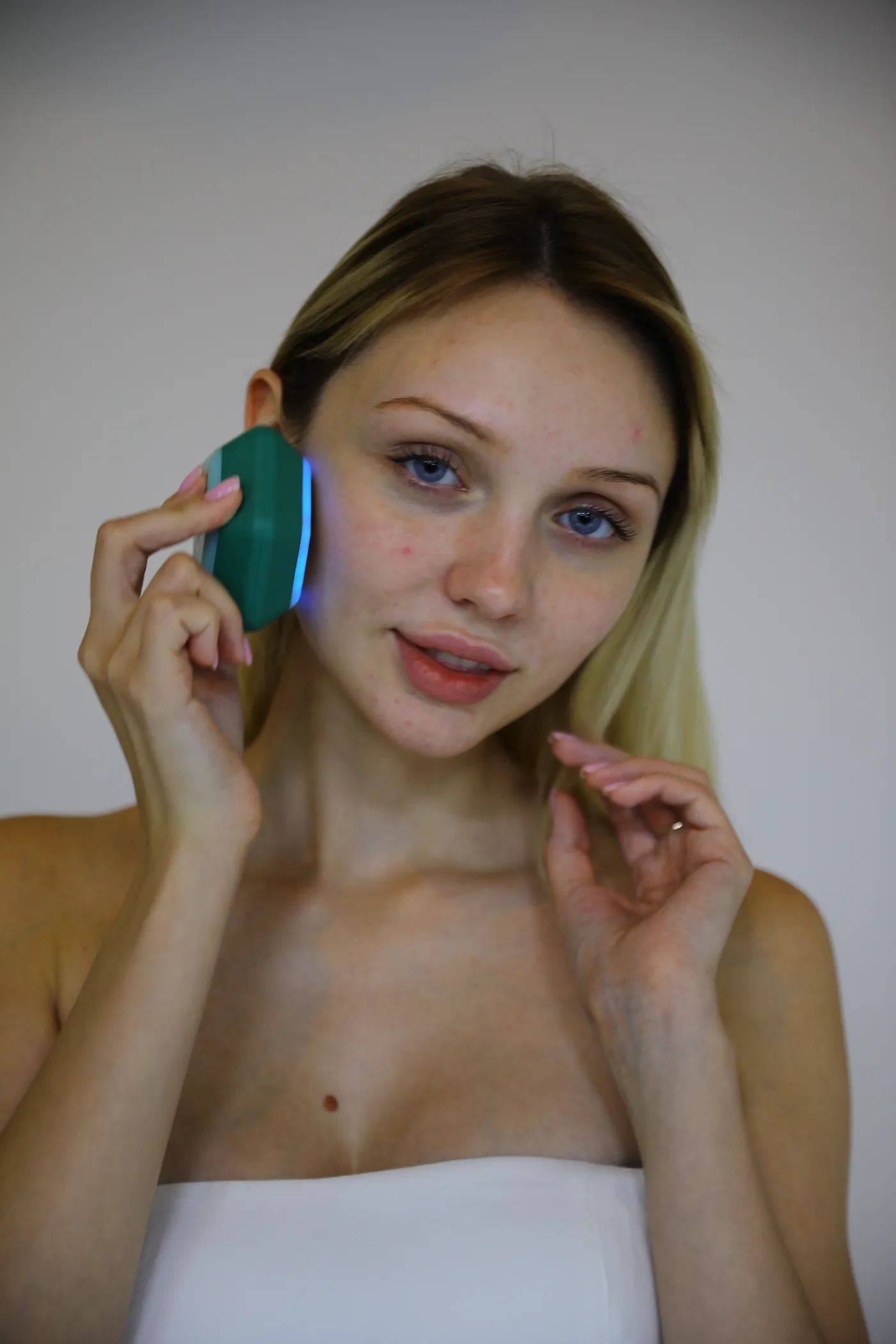
The Radiofrequency mode of Longos Sense gently warms the dermis to support collagen production. Red light contributes to collagen density, and Ultrasonic Waves help the serum absorb into the skin.[3,18]
- 04
Hydrate
Hyaluronic acid plumps fine lines and improves elasticity. The 8D Hyaluronic Acid Complex in Moisturizing was developed for hydration and barrier support.[7]
Morning
- 1Wash your face with a gentle cleanser
- 2Smooth a few drops of Anti-Aging serum over your face and neck
- 3Apply your moisturizer
- 4Finish with a broad-spectrum sunscreen
Evening
- 1Remove makeup and the day's grime
- 2Apply Midnight Repair and Moisturizing serums
- 3Glide Longos Sense over your skin in circular motions, in the mode the app recommends
- 4If your skin feels dry, finish with a moisturizer
If you are new to retinoids, start with 2 to 3 nights a week and increase as your skin adjusts. If you are pregnant or breastfeeding, talk to your doctor before using a retinoid.
Radiofrequency · Anti-Aging
00:50
The app keeps time
With Longos Sense
Technologies from the clinic, at home in a few minutes.
Longos Sense brings the technologies that stand out in wrinkle research together in one device. The app first scans your skin and measures your wrinkle score, then chooses the serum and mode for you.
- RadiofrequencyGently warms the dermis to help collagen fibres tighten and to support new collagen production. 50 seconds in the Anti-Aging protocol.
- Red lightRed light at a controlled wavelength from quantum-dot LEDs, in Quantum Light mode. 2 minutes in the Anti-Aging protocol.
- Thermal TherapyWarms the skin to prepare it for serums and supports circulation.
- Ultrasonic WavesHelps the serum's active ingredients absorb into the skin.
- Skin analysisThe app reports wrinkle, hydration, pore and tone scores, so you can follow the changes over the weeks.
Lab measurement
Serum and device together produced a stronger response.
The strength of each serum's response was measured electrochemically, in microamperes (µA). The method reads the current a substance produces at an electrode surface: under the same conditions, a higher current means a stronger response in the test medium.
Anti-Aging
Red light (2 min) · High heat · Radiofrequency (50 sec)
+28.2%Device effect
- Serum alone 11.5 µA
- With Longos Sense 14.7 µA
Midnight Repair and Moisturizing
Red light · Medium heat · Mechanical Vibration
+726.6%Increase over Midnight Repair
- Midnight Repair alone 7.5 µA
- Moisturizing alone 15 µA
- Both together, with Longos Sense 62 µA
AGON Biotechnology and university laboratories
The measurements were carried out in the laboratories of Yıldız Technical University and Dokuz Eylül University. AGON Biotechnology and Bioİzmir contributed to the scientific work. AGON develops biosensors and electrochemical measurement systems at Dokuz Eylül University's technology park (DEPARK, Bioİzmir).[20]
These findings are controlled laboratory observations and make no claim of medical diagnosis or treatment. Results depend on the formulation and protocol.
All lab measurementsFAQ
About wrinkle care
At what age should I start a wrinkle routine?
Sun protection matters at any age. Because collagen declines with age throughout adulthood, your late twenties and thirties are a good time to begin preventive care. Once fine lines become more visible, you can add a retinoid and device support.
When will I see results?
Hydration and tightening are noticeable in the first few days. For collagen-related change, studies point to anywhere from 8 to 12 weeks up to 6 months. Repeat the skin analysis in the app every four weeks in the same light, and you can follow the change in the measurements.
Can I use a retinoid and radiofrequency on the same evening?
Yes. Radiofrequency is already part of the Longos Sense protocol for Midnight Repair, and the app adjusts the duration to your skin. The HPR in Midnight Repair is a retinoid ester that is less irritating than classic retinol. If you notice redness or stinging, use the device less often.
Can I use it during pregnancy?
If you are pregnant or breastfeeding, talk to your doctor before using products that contain retinoids (including Midnight Repair) or energy-based devices. Sun protection should stay in your routine during this time too.
Can it replace Botox or fillers?
No. Injections are medical procedures, performed by a doctor, that relax muscles or add volume. At-home care supports your skin's own collagen production; its results are more gradual and depend on regular use. One does not rule out the other: if you are planning injections, tell your doctor which products you use at home.
I have sensitive skin. How should I start?
Before adding a new active serum to your routine, do a 48-hour patch test on your inner arm. Start a retinoid at 2 to 3 nights a week and increase as long as your skin stays calm. On the device, begin with the shortest duration the app recommends.
References
Sources for this page
Studies published in peer-reviewed journals, plus laboratory measurements by Quantum Orbit Labs. The numbers in square brackets in the text link to this list.
- 1.Flament F, Bazin R, Laquieze S et al. Effect of the sun on visible clinical signs of aging in Caucasian skin. Clinical, Cosmetic and Investigational Dermatology. 2013;6:221-232. pmc.ncbi.nlm.nih.gov
- 2.Hughes MCB, Williams GM, Baker P, Green AC. Sunscreen and prevention of skin aging: a randomized trial. Annals of Internal Medicine. 2013;158(11):781-790. pubmed.ncbi.nlm.nih.gov
- 3.Fitzpatrick R, Geronemus R, Goldberg D et al. Multicenter study of noninvasive radiofrequency for periorbital tissue tightening. Lasers in Surgery and Medicine. 2003;33(4):232-242. pubmed.ncbi.nlm.nih.gov
- 4.Shuster S, Black MM, McVitie E. The influence of age and sex on skin thickness, skin collagen and density. British Journal of Dermatology. 1975;93(6):639-643. pubmed.ncbi.nlm.nih.gov
- 5.Varani J, Dame MK, Rittie L et al. Decreased collagen production in chronologically aged skin: roles of age-dependent alteration in fibroblast function and defective mechanical stimulation. American Journal of Pathology. 2006;168(6):1861-1868. pubmed.ncbi.nlm.nih.gov
- 6.Attia J, Shortt M, Lacasse I, Loing E. Tensor effect of Anigozanthos flavidus flower extract: modulation of tenascin-X to regenerate the skin. Journal of Investigative Dermatology. 2018;138(5):S247. doi.org
- 7.Pavicic T, Gauglitz GG, Lersch P et al. Efficacy of cream-based novel formulations of hyaluronic acid of different molecular weights in anti-wrinkle treatment. Journal of Drugs in Dermatology. 2011;10(9):990-1000. jddonline.com
- 8.Fisher GJ, Kang S, Varani J et al. Mechanisms of photoaging and chronological skin aging. Archives of Dermatology. 2002;138(11):1462-1470. pubmed.ncbi.nlm.nih.gov
- 9.Kadunce DP, Burr R, Gress R et al. Cigarette smoking: risk factor for premature facial wrinkling. Annals of Internal Medicine. 1991;114(10):840-844. pubmed.ncbi.nlm.nih.gov
- 10.Oyetakin-White P, Suggs A, Koo B et al. Does poor sleep quality affect skin ageing? Clinical and Experimental Dermatology. 2015;40(1):17-22. pubmed.ncbi.nlm.nih.gov
- 11.Gkogkolou P, Böhm M. Advanced glycation end products: key players in skin aging? Dermato-Endocrinology. 2012;4(3):259-270. doi.org
- 12.Kafi R, Kwak HSR, Schumacher WE et al. Improvement of naturally aged skin with vitamin A (retinol). Archives of Dermatology. 2007;143(5):606-612. pubmed.ncbi.nlm.nih.gov
- 13.Ruth N, Mammone T. Anti-aging effects of retinoid hydroxypinacolone retinoate on skin models. Journal of the American Academy of Dermatology. 2018;79(3) Ek. jaad.org
- 14.Kruger L, Bambino K, Schmalenberg K et al. Efficacy of topical hydroxypinacolone retinoate-peptide product versus fractional CO2 laser in facial aging. Journal of Cosmetic Dermatology. 2024. doi.org
- 15.Gorouhi F, Maibach HI. Role of topical peptides in preventing or treating aged skin. International Journal of Cosmetic Science. 2009;31(5):327-345. pubmed.ncbi.nlm.nih.gov
- 16.Shu X, Wan R, Huo W et al. Effectiveness of a radiofrequency device for rejuvenation of aged skin at home: a randomized split-face clinical trial. Dermatology and Therapy. 2022;12(4):871-883. pmc.ncbi.nlm.nih.gov
- 17.Fawzy A, Putranti IO. Radiofrequency in facial rejuvenation: a comprehensive review. Journal of Medical - Clinical Research & Reviews. 2025;9(1):1-4. scivisionpub.com
- 18.Wunsch A, Matuschka K. A controlled trial to determine the efficacy of red and near-infrared light treatment in patient satisfaction, reduction of fine lines, wrinkles, skin roughness, and intradermal collagen density increase. Photomedicine and Laser Surgery. 2014;32(2):93-100. pmc.ncbi.nlm.nih.gov
- 19.Pullar JM, Carr AC, Vissers MCM. The roles of vitamin C in skin health. Nutrients. 2017;9(8):866. mdpi.com
- 20.Quantum Orbit Labs. Electrochemical laboratory measurements of Longos Sense and its serums. Laboratories of Yıldız Technical University and Dokuz Eylül University, with contributions from AGON Biotechnology and Bioİzmir. quantumorbitlabs.com/en/clinical-evidence
Recommended products
For wrinkles and fine lines
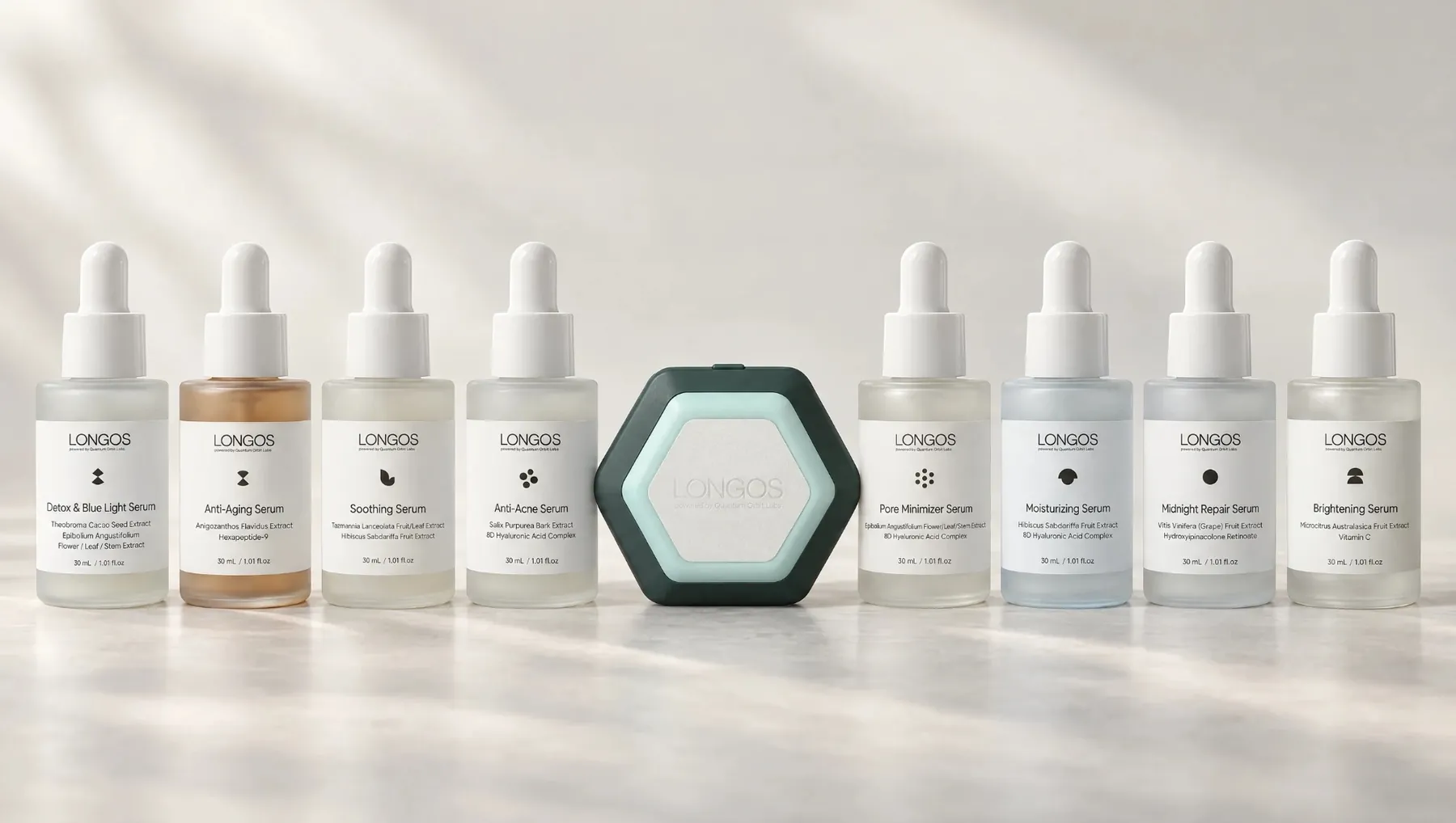
Longos Sense and four serums that work together in wrinkle care. The skin analysis in the app tells you which one to start with.
Longos Sense set
Radiofrequency, Quantum Light (red light), Thermal Therapy and Ultrasonic Waves in one device. The app measures your wrinkle score and selects the protocol, and the set includes all four serums on this page.
Explore the set-
Day · Firmness
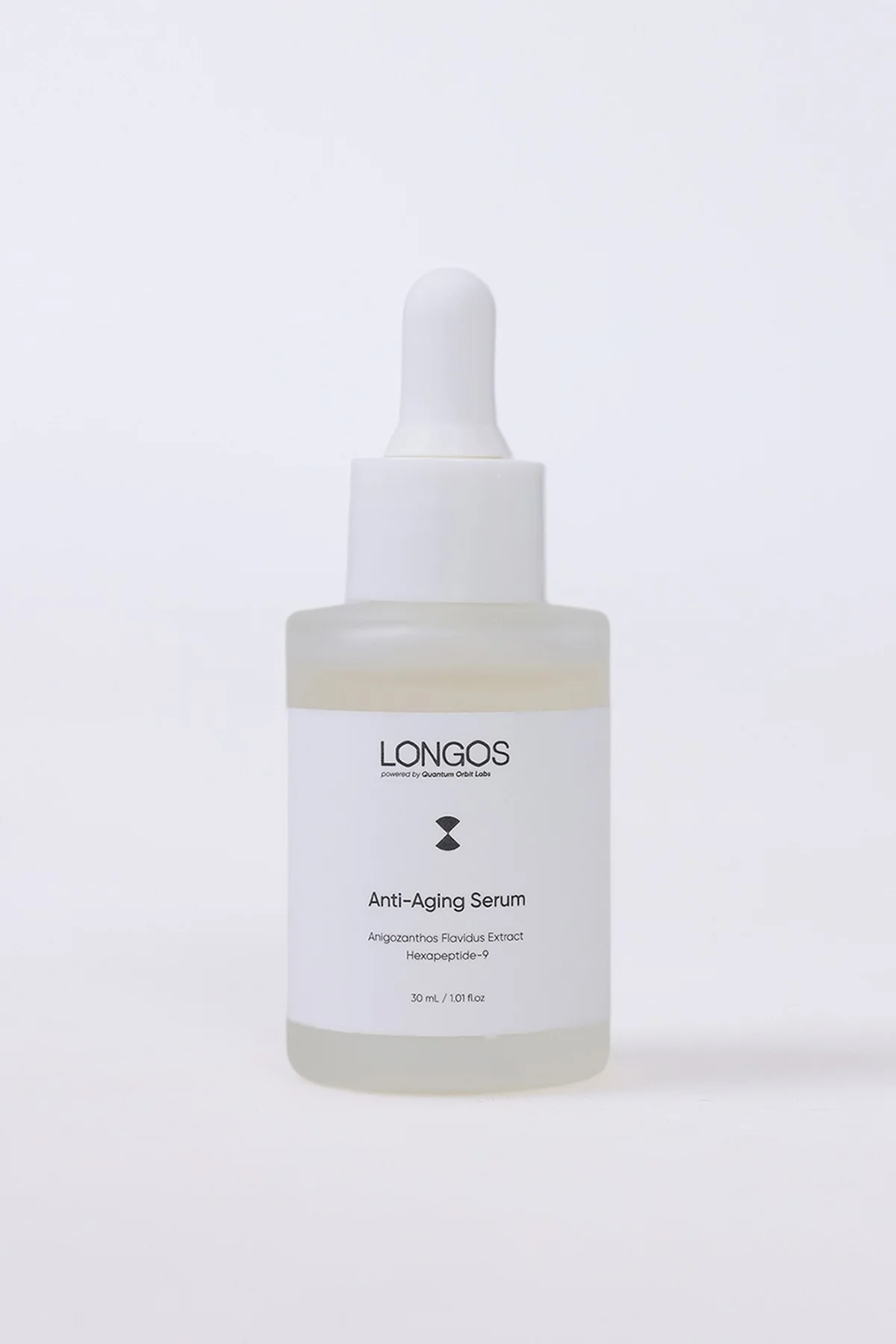
Anti-Aging serum
Hexapeptide-9 and kangaroo paw extract. Applied together with radiofrequency and red light.
Red light Radiofrequency -
Night · Repair
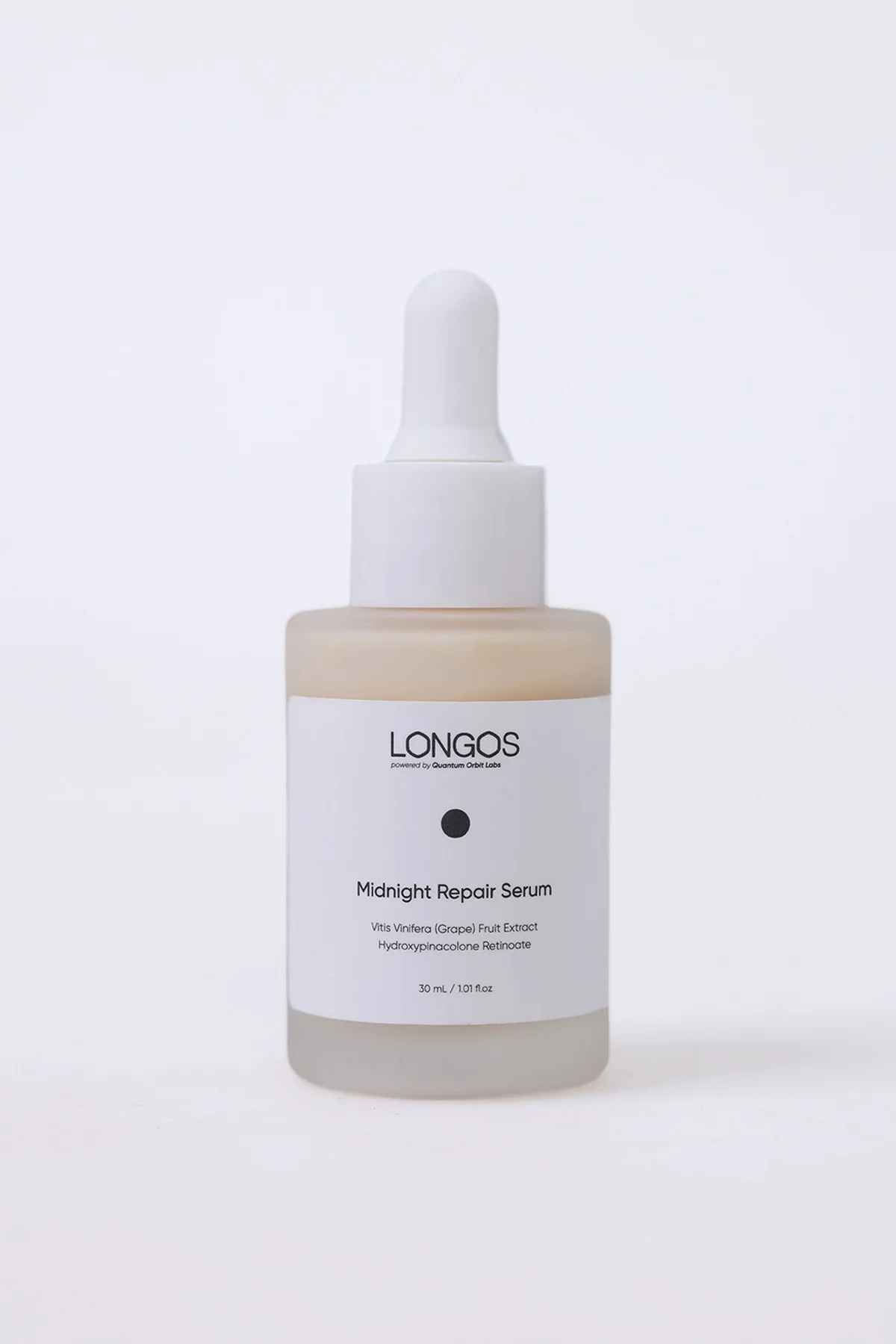
Midnight Repair serum
The retinoid ester HPR, grape extract and sweet almond oil. Supports collagen production overnight.
Red light Radiofrequency -
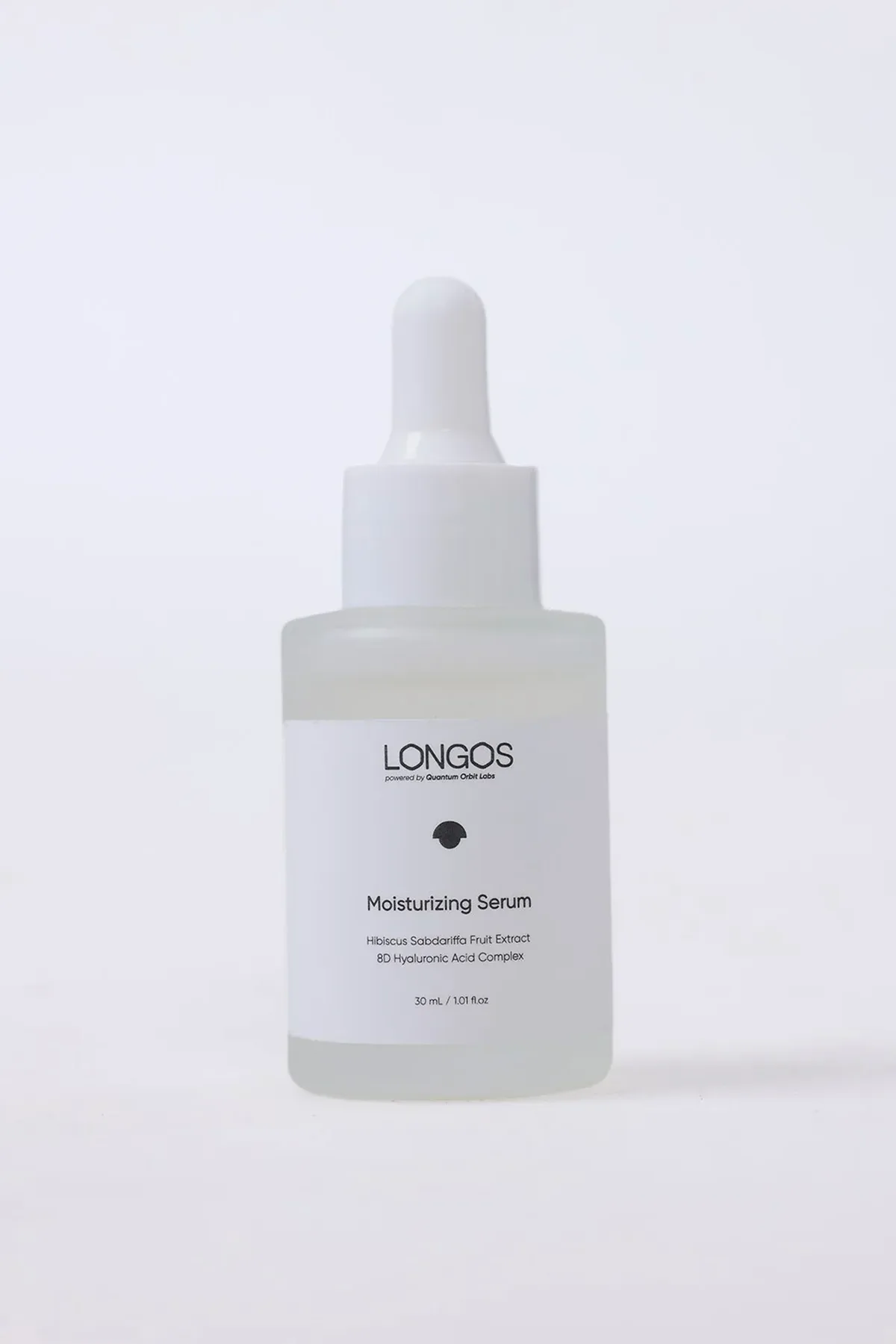
Day and night · Hydration
Moisturizing serum
8D Hyaluronic Acid Complex. Paired with Midnight Repair, it gave the highest response in the lab measurement.
Red light Thermal Vibration -
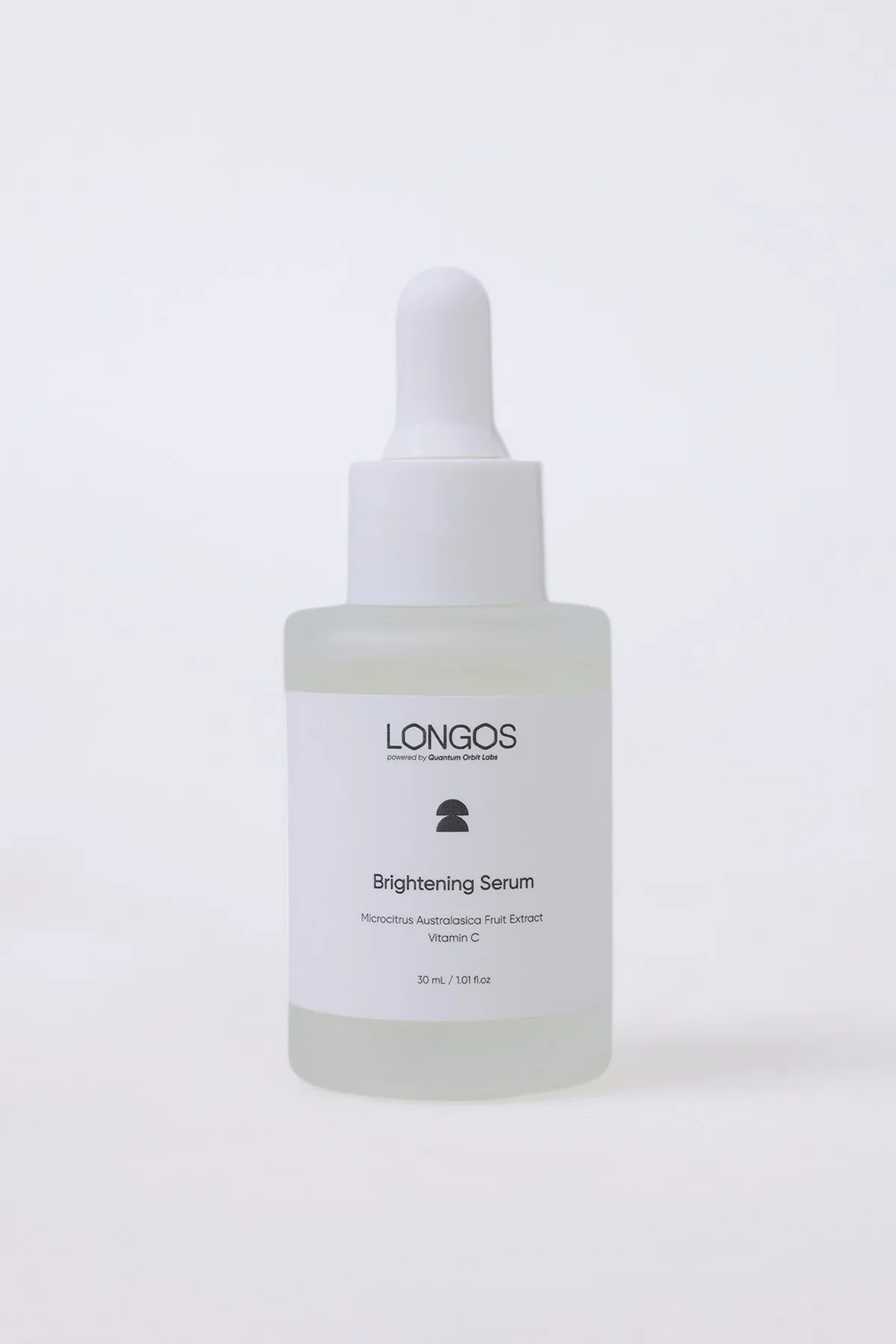
Day · Antioxidant
Brightening serum
3-O-Ethyl Ascorbic Acid, a stable vitamin C derivative. Vitamin C is a cofactor for the enzymes involved in collagen production.
Red light Radiofrequency Cryo
Tonight, on freshly cleansed skin with no products on, run the skin analysis in the app once. Your wrinkle score becomes your starting point. Repeat it four weeks later in the same light, and you will see the change in data, not guesswork.
Start your skin analysis