Cryotherapy
What does Cryo Therapy do to skin? Rubbing ice on your face: ice on face benefits, harms and safe use
What does rubbing ice on your face do? The short answer
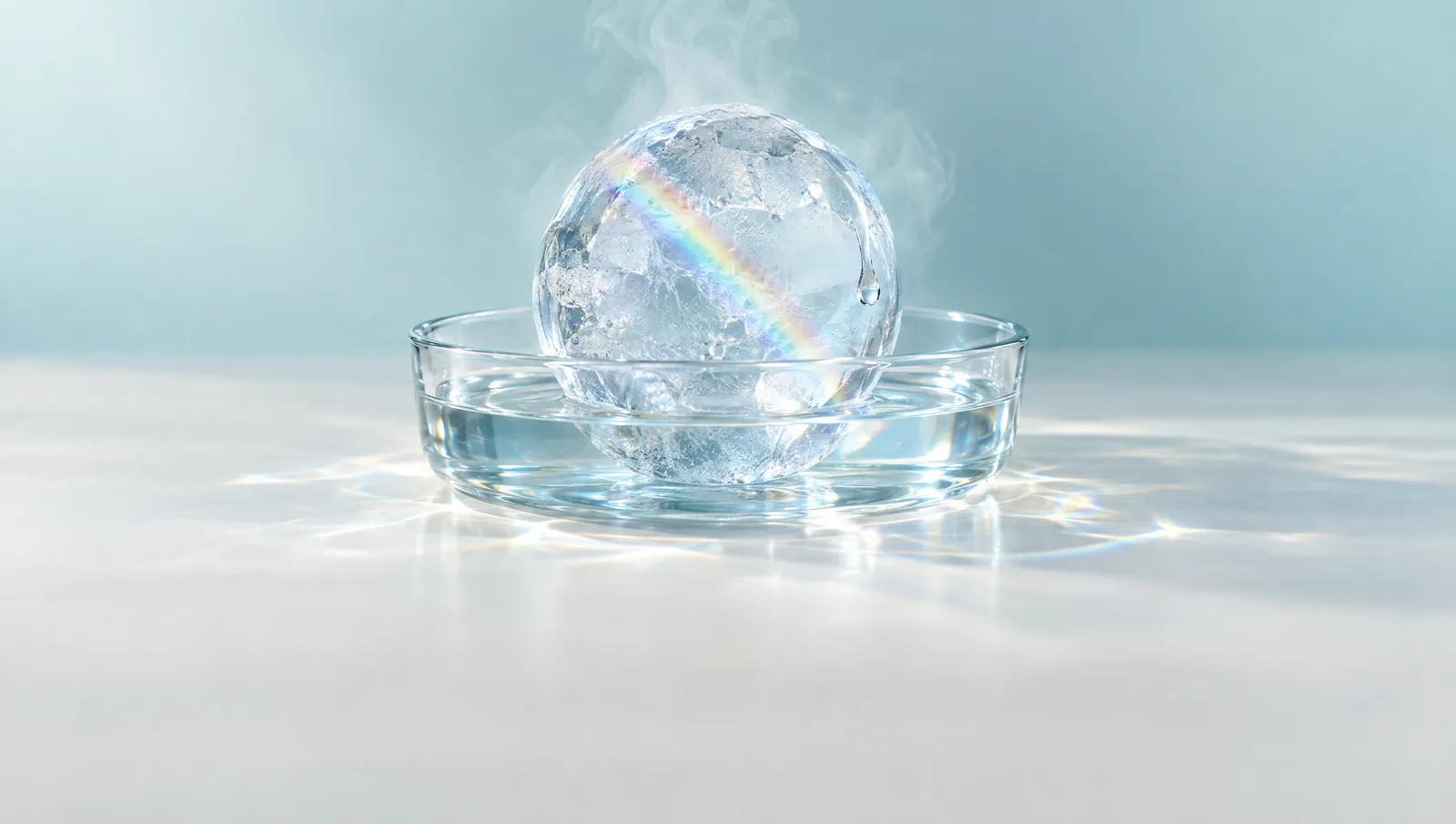
Rubbing ice on your face can briefly reduce puffiness and redness, cools the skin and feels good. It does not close pores, erase wrinkles or slim the face, and we found no human study showing it increases collagen. Three dermatologists interviewed by National Geographic in 2024 stress that the method has not been tested in formal clinical studies.
The safe route is short: wrap the ice in a cloth, keep it moving and stop within a few minutes. If numbness starts, stop at once.
Let's clear up one confusion from the start. Someone who types "cryotherapy" or "cryotherapy at home" into a search box could be asking about any one of three very different practices. As the temperature changes, both the purpose and the risk change.
What temperature is cryotherapy? One word, three different practices
As the US Food and Drug Administration (FDA) defines it, cryotherapy is the use of cold for treatment, and it covers everything from an ice pack to a whole-body chamber. These practices fall into three groups: doctor, clinic and home. The temperature gap between them is huge:
| Practice | Who, where? | Temperature | Purpose and status |
|---|---|---|---|
| Medical cryotherapy | Physician, in the clinic | Liquid nitrogen -196°C; tissue target of -20 to -50°C | Freezing and destroying warts and some lesions |
| Whole-body chamber | Clinic, spa | About -130 to -185°C, 2-4 minutes | Benefit not confirmed |
| Salon cryo facial | Clinic, salon | Nitrogen vapor; temperature varies by device | Evidence for the claims is weak |
| Ice at home | Home | Melting ice 0°C; ice fresh from the freezer is colder | Brief cooling |
| Controlled device at home | Home | Above freezing, for example about 10°C | Cosmetic, temporary cooling |
Medical cryotherapy is not a beauty routine. According to NCBI StatPearls, in this procedure the physician deliberately freezes and destroys the target tissue, and may also use it on facial lesions. The most common side effect is a change in skin color, because pigment cells can die below -5°C. Do not try it at home: the NHS says pharmacy wart products should not be used on the face and advises seeing a doctor about a wart on the face.
With chambers, the risk is clearer than the benefit. According to a 2016 FDA warning, no chamber has been approved to treat a medical condition; possible dangers include loss of consciousness from reduced oxygen, freezing injuries, burns and eye damage. The American Academy of Dermatology (AAD) states that claims of clearing acne and rejuvenating skin have not been shown by research, and that dermatologists do not recommend this practice to anyone. A 2018 review by O'Connor and colleagues likewise writes that many of the advertising claims for whole-body and partial-body applications have very little scientific basis.
Can cryotherapy be done at home? Liquid nitrogen and chambers are not for home use. What can be done at home is cooling the skin without freezing it: ice, a cold compress or a temperature-controlled device. Rubbing ice on your face falls into this group, and the answers below are for this group.
What does cold do to skin? Vessels narrow, then blood flows back
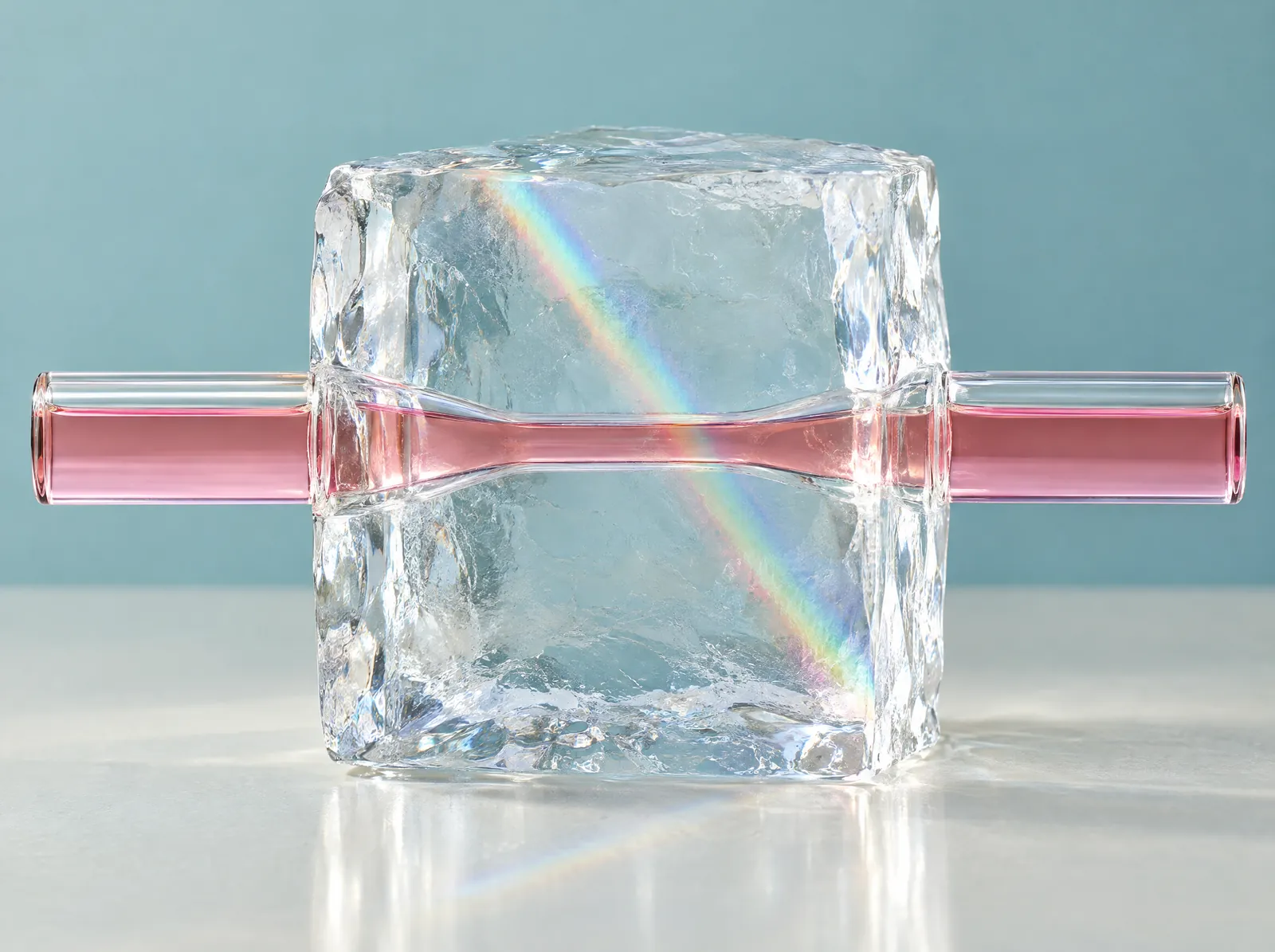
When skin cools, the small vessels near the surface narrow and less blood reaches it. According to a 2010 review by Johnson and Kellogg, vessel-narrowing signals strengthen in this response and the vessel-widening nitric oxide system is suppressed. The visible result is simple: redness fades and skin looks paler.
This narrowing is not permanent. According to a 2015 review by Cheung, vessels in the fingers and face can widen again in cycles in the cold. Blood flow also rises when skin warms up, so it is no surprise that cheeks turn pink after ice.
How much does skin actually cool? A 2012 study by Im and colleagues measured facial skin over the chewing muscle in 30 volunteers. Right after application, temperature dropped by 3.7°C with ice block rubbing and by 10.6°C with a cold gel pack. In a 2016 study by Schlader and colleagues, when a 0°C ice water bag stayed on the face for 15 minutes, forehead temperature fell from 34.1°C to 12.9°C. Ice that keeps moving cools a little; cold held in place cools far more.
Oil output follows temperature too. In a 1973 study of 36 people by Williams and colleagues, a 1°C change in forehead temperature changed sebum secretion by about 10%. So skin may shine less while it is cool, and the difference disappears when the temperature returns.
How strong is the evidence? The effect on puffiness is temporary and the data are limited
For the benefits of rubbing ice on your face, the data we have are mostly physiological measurements, not cosmetic outcomes. We did not find a good trial measuring how much ice reduces morning puffiness in healthy skin. The closest data come from facial surgery, and they are mixed:
- For. According to a 2019 review by Larsen and colleagues that examined six randomized studies, intermittent cold application after wisdom tooth surgery reduced swelling and pain. The authors ask that the results be read with caution.
- Against. A meta-analysis by Nascimento-Júnior and colleagues, published the same year, found a small benefit for pain and no effect on swelling; the quality of the evidence was low.
- Around the eyes. In a 2015 study by Pool and colleagues, 38 patients had ice applied to one eyelid after eyelid surgery and not to the other. Swelling, redness and bruising did not differ between the two sides.
Surgical swelling and morning puffiness are not the same thing; these results only show how thin the evidence is.
Everyday advice is more modest. Mayo Clinic recommends gently pressing a clean cloth moistened with cool water on under-eye puffiness for a few minutes. But according to the same source, part of the bag comes from fat around the eye moving down, and cold cannot change that. We did not find a value measured specifically for how long the effect of ice lasts. A Cleveland Clinic dermatologist says the effect of face rollers, which are also used chilled, usually fades within a few hours.
If mild swelling on waking goes down within a few hours, there is usually no need to worry. See a doctor for swelling that lingers, grows or comes on suddenly.
Does rubbing ice on your face close pores? A pore is not a door
It does not. DermNet defines a pore as a small depression where sweat and oil ducts open. McGill University's Office for Science and Society also reminds readers that pores do not open and close like doors.
A 2016 review by Lee and colleagues lists three main causes of large-looking pores: excess sebum, loss of elasticity around the pore and increased hair follicle volume. We did not come across a study measuring a reduction in pore size with cold.
Cleveland Clinic's ice guide writes that pores may look less noticeable when vessels narrow. That is the most that can be said: a temporary difference in appearance. You can find which ingredients work for the look of pores in our article on pore-minimizing serums.
Collagen, wrinkles, a slimmer face: which claims hold up?
Collagen. We found no human study showing that ice at home increases collagen. Even with much harsher cold, the picture is not clear. A 2017 review by Farberg and colleagues writes that there are no well-controlled studies showing a skin benefit from chambers. In a 2026 study by Ptaszek and colleagues with 12 young women and no control group, forearm firmness and elasticity did not change after 10 sessions at -120°C; hydration decreased and redness increased. In a 2025 study of 23 people by Dzidek and colleagues, facial skin firmness improved only in the overweight group. These chamber data cannot be carried over to an ice cube.
Wrinkles. Cleveland Clinic does not regard ice as a long-term solution for wrinkles. Skin may feel tight for a short time, but the structural change that creates the line stays in place. We gathered the options with evidence in our guide to what works for wrinkles at home.
A slimmer face and weight. We found no data showing that ice slims the face, reduces fat or causes weight loss. The "slimming" seen in the morning is most likely swelling going down. The clinical method that targets fat with cold is called cryolipolysis, and it is an entirely different procedure: in a 2017 under-chin study by Bernstein and Bloom, a vacuum applicator was used at -11°C for 45 minutes. A few minutes of ice comes nowhere near these conditions.
Is rubbing ice on your face good for pimples and blackheads?
Painful pimples. According to the AAD, ice can ease pain by reducing inflammation, especially in nodules and cysts. The same organization's guide to deep pimples, however, recommends a warm, moist cloth: three times a day for 10-15 minutes. One aims for relief, the other for bringing the pimple closer to the surface. Dermatologist Elizabeth Kiracofe also finds brief ice reasonable for a single pimple, but does not recommend rubbing ice over the whole face as basic care.
Acne. According to McGill, ice alone cannot solve root causes such as excess oil, clogged pores and bacteria. In a 2024 pilot study by Hong and colleagues, a dermatologist used a device with sensor-monitored temperature to apply 0°C to pimples three times a week, for 3 seconds each. In 20 volunteers, the pimple count fell from an average of 26.25 to 3 in 4 weeks. The number is impressive, but there was no comparison group, the device manufacturer funded the study and an ice cube cannot mimic these conditions.
Blackheads. A blackhead is an open plug in a pore. We did not come across a study showing that cold dissolves this plug. We cover the ingredients that loosen the plug in our salicylic acid guide.
Is rubbing ice directly on your face harmful? How an ice burn happens
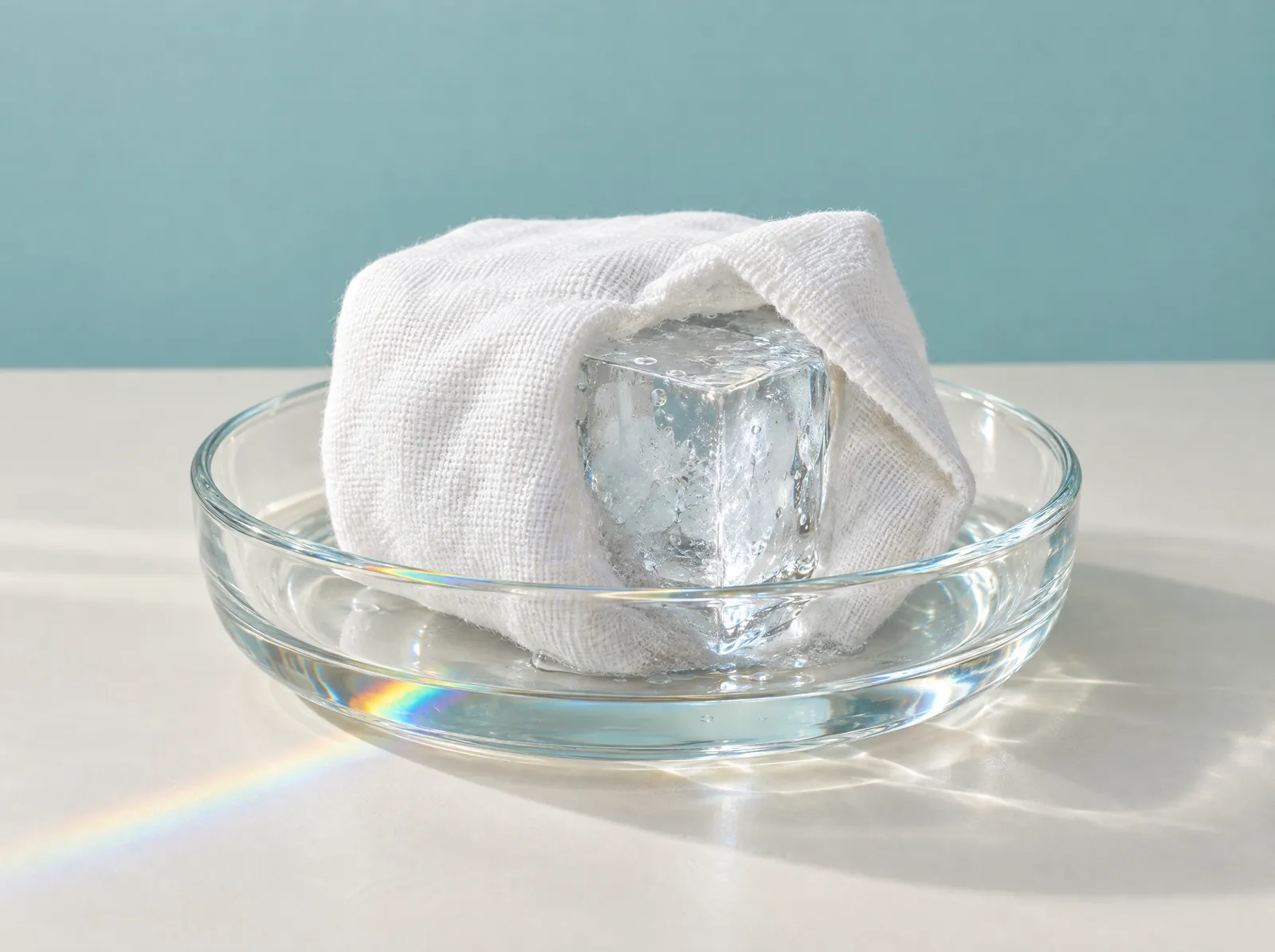
The harms of rubbing ice on your face mostly come from direct contact and long duration. According to Mayo Clinic, frostbite, commonly called an ice burn, can also result from direct contact with ice; the cheeks, chin and tip of the nose are among the most often affected areas. Its early stage, frostnip, causes pain, tingling and numbness and leaves no permanent damage. The problem is this: because skin goes numb, you may not notice damage as it progresses.
Ice can be colder than you think. Melting ice is around 0°C. According to Rivlin and colleagues, ice fresh from the freezer and gel packs can go below this; an ordinary freezer is about -15°C. The NHS also says frostbite can develop in skin exposed to 0°C and below.
Both the layer and the time matter. In a case reported by Sakiyama and Kawakubo, a ready-made cold pack was placed directly on the leg; the day after about 20 minutes of contact, a painful blister appeared. In the case reported by Öksüz and colleagues, an ice bag wrapped in a thin cloth was used for six hours and second-degree frostbite developed. These cases are from outside the face, but the lesson is the same: you need both a layer and a short duration.
Sensitive skin. Dermatologist Jessica Garelik says direct contact with ice can damage the skin barrier and that this can cause problems for dry, sensitive skin.
A rare reaction. According to West and colleagues, cold panniculitis consists of red, firm plaques that appear about 48 hours after cold exposure. It is typically seen in babies and children, clears on its own within 2 weeks and is very rare in adults. Do not apply ice to children's faces.
How many minutes and how often can you ice your face? Safe use, step by step
There is no official answer to how long ice should stay on your face. The NHS advice of "every 2-3 hours, for up to 20 minutes" is for sprains and strains and should not be carried over to the face. Cleveland Clinic's ice guide gives no number of minutes. Mayo Clinic says a few minutes for an under-eye compress, and Kiracofe also asks that ice stay on skin no longer than a few minutes. That is the practical answer too.
Why so short? Cold does not affect only the skin: in Schlader's study, 15 minutes of face cooling raised mean blood pressure from 83 to 106 mmHg in 10 healthy adults.
Is every morning okay? Esthetician Lori Scarso, interviewed by Cleveland Clinic, does not recommend more than once a day and describes ice as a temporary refresher. We did not come across a study showing a cumulative benefit from doing it every morning.
- Cleanse your face gently. Start with clean hands and a clean cloth.
- Wrap the ice in a thin cloth. Always keep a layer between skin and ice. A gentler option is a cloth moistened with cool water.
- Keep it moving. Make light circles on the cheeks, jawline and forehead, and do not hold it on one spot. Do not put ice on your eyelids.
- Finish within a few minutes. Time it, and do not fall asleep with ice on your skin.
- Stop at warning signs. If you notice numbness, burning, increasing pain, a color change, blisters or itchy welts, stop.
- Finish with moisturizer. Cleveland Clinic recommends moisturizer after ice; our guide to skin moisture loss explains why.
Who should avoid cryotherapy, and when should you see a dermatologist?
StatPearls lists cold urticaria, Raynaud's and cryoglobulinemia among the contraindications to the medical procedure. Similar caution makes sense for ice at home; in the situations below, talk to your doctor first:
- Cold urticaria. According to Mayo Clinic, itchy welts appear minutes after cold exposure and worsen as skin warms. A reaction that spreads across the whole body, or shortness of breath, is an emergency.
- Raynaud's phenomenon. According to the NHS, cold disrupts blood flow to the fingers; in some people the ears, nose and lips are also affected.
- Cryoglobulinemia. According to DermNet, abnormal proteins in the blood clump together in the cold and restrict blood flow; these people are told to avoid cold.
- Rosacea. The AAD states that cold can trigger rosacea. In a National Rosacea Society survey of 1,066 patients, 46% of participants named cold weather as a trigger and 57% named wind. Triggers vary from person to person; dermatologist Hadley King recommends staying away from iced treatments in rosacea. You can sort out the source of redness with our guide to facial redness.
- Facial capillaries. According to Cleveland Clinic, the most common cause of visible capillaries on the face is sun damage; a cold compress gives a temporary result at most. We did not come across a study showing that ice opens new capillaries, but Scarso recommends avoiding ice on visible capillaries.
- Open or recently treated skin. After surgery, laser or a peel, do not use ice unless your doctor recommends it. Also skip open wounds and areas with a rash.
- Heart rhythm problems. According to Harvard Health, plunging the face into cold water slows the heart, raises blood pressure and can trigger an underlying rhythm disorder. Ask your doctor before dunking your face in ice water.
If you notice blisters, a color change or numbness that does not go away after ice, see a dermatologist; Mayo Clinic recommends that any injury beyond frostnip be seen by a specialist.
Can rubbing ice on your face cause facial palsy? What we know and what we don't
We did not come across a study showing that applying wrapped ice to the face for a few minutes leads to facial palsy. What people commonly call facial paralysis is most often Bell's palsy. According to Mayo Clinic, its cause is not fully known and it is mostly linked to viral infection. The organization's risk list includes pregnancy, upper respiratory infection, diabetes, high blood pressure and obesity; cold is not on it.
Weather data, on the other hand, are mixed. A 2020 review by Zhang and colleagues reports that cases rise with sudden cold exposure. In a 2025 meta-analysis by Aljarallah and colleagues covering 3,363 patients, the share of cases was 27% in winter and 22% in summer, but the seasonal difference was not significant. In a Korean study by Kim and Park with 77,917 patients, a link with low temperature appeared with one analysis method and not with another. None of these studies measured rubbing ice on the face; they all look at weather and season.
The key point is this: if one side of your face suddenly droops, do not lose time wondering why. According to the NHS, this can be a sign of stroke, so call emergency services (112) right away. Speech problems or arm weakness may come with it. In Bell's palsy, too, treatment is more effective if it starts within the first 72 hours.
How is a controlled device different from ice? The temperature stays known
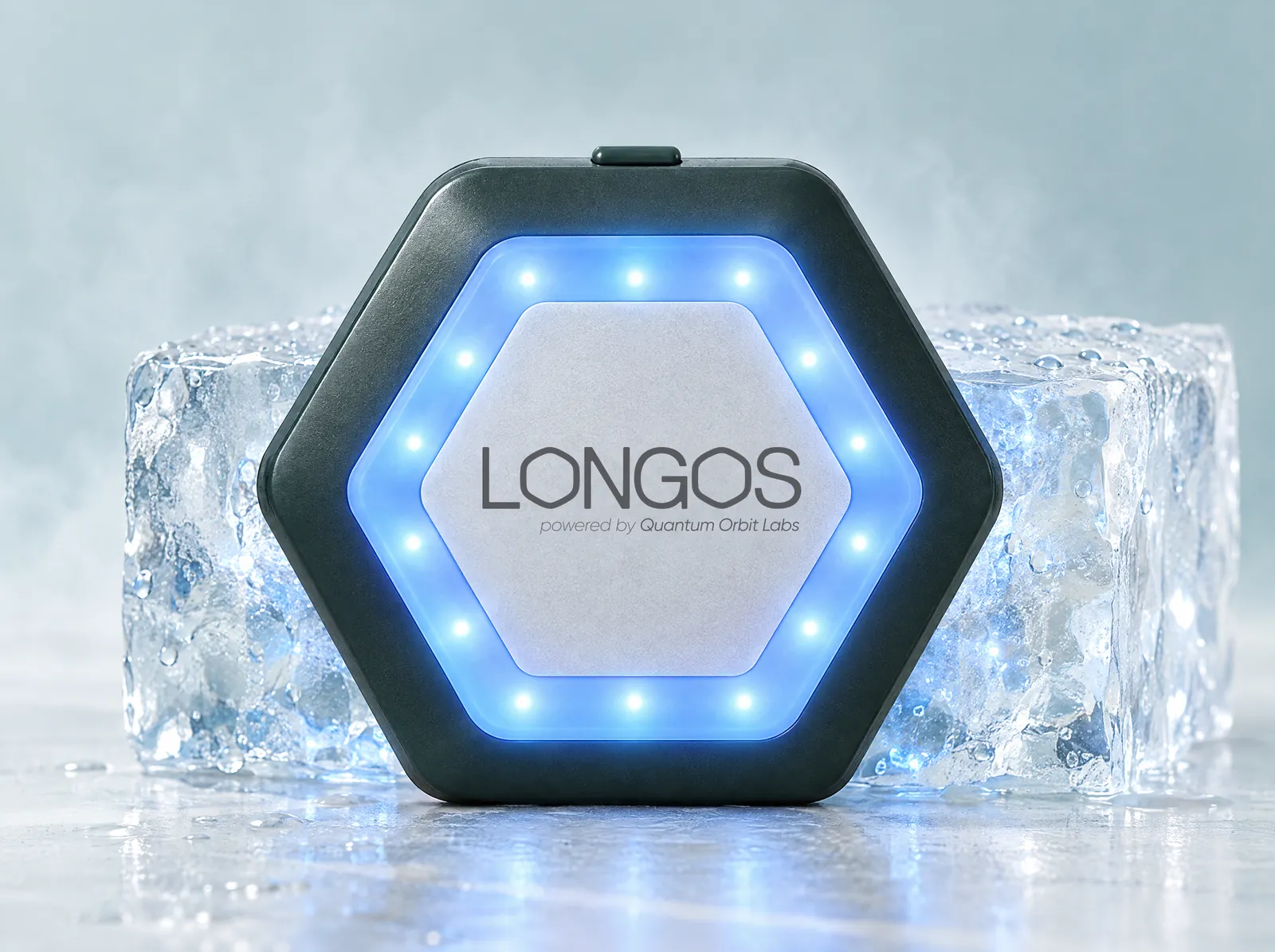
What does a home Cryo Therapy device do? It cools the skin surface briefly at a known temperature. With ice, this temperature is uncertain: a cube from the freezer, a melting cube and a gel pack touch skin at very different values. In a controlled device, the contact surface stays at a set value and does not go down to freezing point.
The Cryo Therapy mode in Longos Sense, which combines six technologies in one body, is one example. According to the user manual, cooling is delivered from Surface 2; the contact temperature is about 10°C, the surface is glided gently over the area and a session lasts 3-5 minutes. The aim is to improve the look of skin tone and reduce the look of puffiness by temporarily cooling the skin surface. This is a cosmetic use. The device is not suitable for under-18s or during pregnancy and breastfeeding, and it is not applied to the eyes or eyelids.
There is one clue for brief contact above freezing: in a 2022 study by Herrero-Fernandez and colleagues, 4°C contact applied for 5 minutes to the forearm of 50 healthy volunteers did not change water loss, pH, redness or hydration. Because the measurement was taken on the forearm, this is not proof, only a signal. Expectations should stay the same too: the effect of cold is temporary with a device as well.
Where should you start this week?
If you wake up puffy tomorrow morning, make your first step a clean cloth moistened with cool water, not ice: a few minutes, with light pressure under the eyes. If your goal is pores, collagen or a slimmer face, leave the ice and turn to ingredients with evidence.
If you want to see what your skin really needs through measurement rather than guesswork, run the AI skin analysis in the Longos Sense app once on clean, product-free skin. This is a care guide, not medical advice; if you notice blisters, welts or a reaction that does not go away, talk to your dermatologist.
Frequently Asked Questions
What does rubbing ice on your face do?
Rubbing ice on your face cools the skin, narrows the small surface vessels and can briefly reduce the look of puffiness and redness. The effect is temporary; a Cleveland Clinic dermatologist says the effect of face rollers, which are also used chilled, usually fades within a few hours. We found no study showing that it closes pores, increases collagen, erases wrinkles or slims the face. There is also no good clinical trial testing this method in healthy skin, so ice is best seen as brief refreshment, not a treatment.
Is rubbing ice directly on your face harmful?
Yes, it carries risk. According to Mayo Clinic, direct contact with ice can cause frostbite, also known as an ice burn; the cheeks, chin and tip of the nose are among the most often affected areas. Ice fresh from the freezer can be below 0°C, and numbness may keep you from noticing damage as it progresses. So wrap the ice in a thin cloth, keep it moving and finish within a few minutes. A cloth alone is no guarantee; you also need to keep the time short. If you notice blisters, a color change or numbness that does not go away, see a healthcare professional.
How many minutes and how often can you put ice on your face?
There is no official time limit for the face. The NHS advice of up to 20 minutes is for sprains and strains and should not be carried over to the face. Mayo Clinic says a few minutes for an under-eye compress, and a dermatologist speaking to National Geographic also asks that ice stay on skin no longer than a few minutes. The esthetician interviewed by Cleveland Clinic does not recommend more than once a day. We found no study showing a cumulative benefit from doing it every morning. The practical limit is this: a few minutes with wrapped ice, and stop at once if numbness begins.
Is rubbing ice on your face good for pimples?
Ice can bring brief relief to a painful, swollen pimple. The American Academy of Dermatology states that ice can ease pain by reducing inflammation, especially in nodules and cysts. But ice does not solve the causes of acne, and it has not been shown to open the plug in a blackhead. In a small pilot study, a dermatologist saw a reduction in pimples with a temperature-controlled device; there was no comparison group and the result cannot be carried over to an ice cube. For regular care, choose actives with evidence, and see a dermatologist for deep or scarring pimples.
Can rubbing ice on your face cause facial palsy?
We did not come across a study showing that applying wrapped ice to the face for a few minutes leads to facial palsy. The cause of Bell's palsy is not fully known, and Mayo Clinic mostly links it to viral infection. Data on cold weather are mixed: in a meta-analysis of 3,363 patients, cases were slightly more frequent in winter, but the seasonal difference was not significant. These studies measured weather and season, not ice. If one side of your face suddenly droops, get emergency help right away because of the possibility of stroke.
Can cryotherapy be done at home?
Liquid nitrogen freezing and whole-body chambers are not for home use; medical cryotherapy is a physician's job, and pharmacy wart products should not be used on the face. What can be done at home is cooling the skin without freezing it: ice wrapped in a cloth, a cold compress or a temperature-controlled device. For example, in Longos Sense's Cryo Therapy mode the contact surface is about 10°C and a session lasts 3-5 minutes. This use is cosmetic: it is designed to improve the look of skin tone and reduce the look of puffiness, and its effect is temporary.
Clinical evidence