
Antioxidants
What Are Free Radicals? Oxidative Stress, Skin Antioxidants and the Care That Works
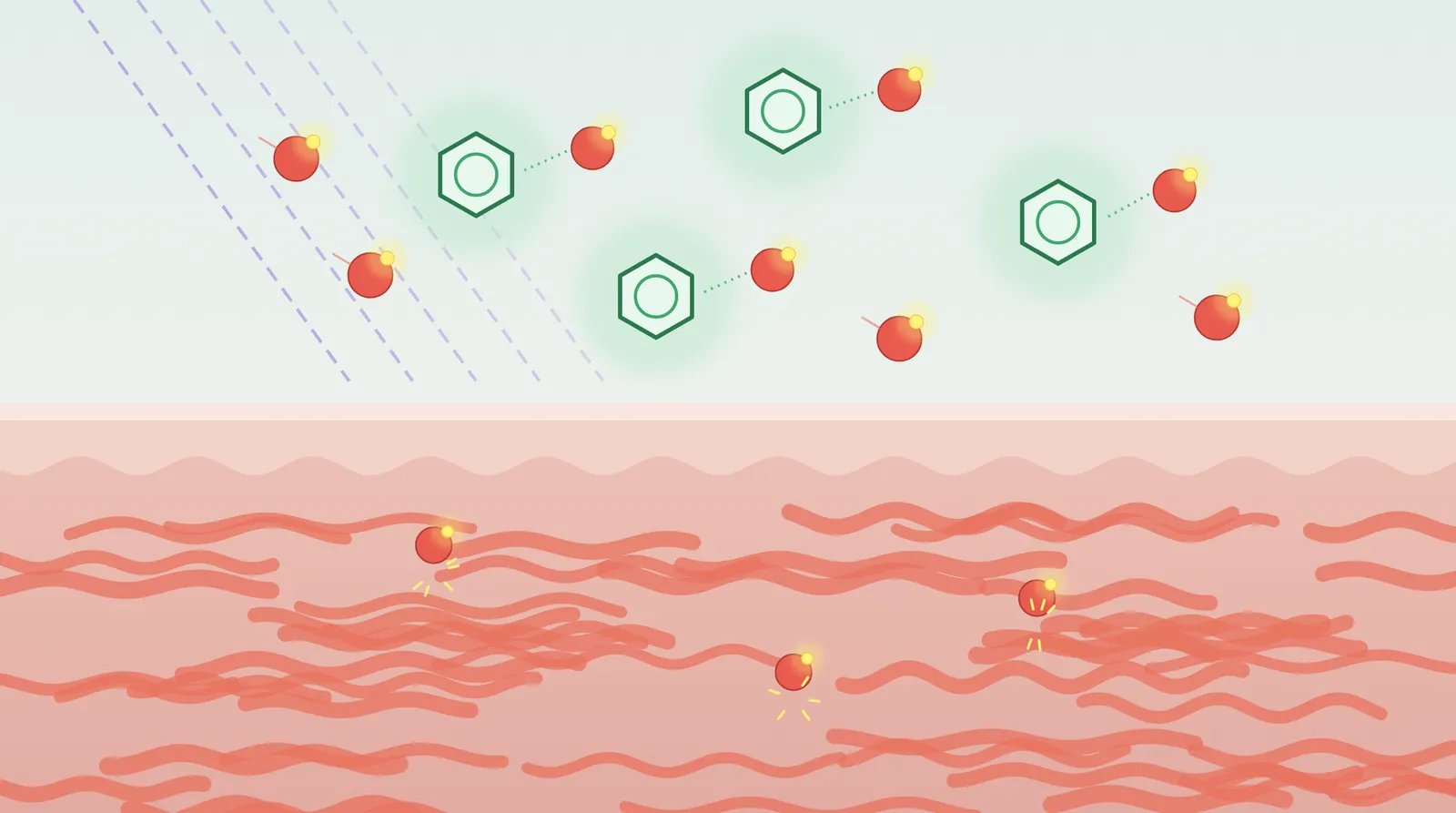
What are free radicals? The short answer
A free radical is an atom or molecule that carries at least one unpaired electron. In stable molecules electrons sit in pairs, so a radical that is missing a partner is short-lived and highly reactive. It pulls an electron from a neighboring molecule, that molecule becomes a radical in turn, and the damage can spread as a chain.
In biology, the most discussed radicals are the reactive oxygen species (ROS) derived from oxygen; cells produce them during normal metabolism and keep them in balance with antioxidants. In Helmut Sies's updated definition, oxidative stress is an imbalance between oxidants and antioxidants in favor of the oxidants; the result is disrupted signaling, molecular damage or both.
In brief
- The defining feature of a radical is the unpaired electron; hydrogen peroxide and singlet oxygen are reactive but are not radicals.
- Sources in the skin are mitochondria, UV, visible light, infrared, air pollution, ozone and smoking.
- The skin's defense is made up of enzymes and small molecules such as vitamin C, vitamin E and glutathione; there is more of it in the epidermis than in the dermis.
- A combination of vitamin C, vitamin E and ferulic acid reduced UV damage in animal skin and in one small human study, but it does not replace sunscreen.
- In large randomized trials, antioxidant supplements did not prevent disease; beta-carotene increased lung cancer in smokers.
Free radicals in chemistry and biology: which reactive oxygen species are radicals?
How does an unpaired electron arise? When a single electron is added to an oxygen molecule, the superoxide radical forms. According to Phaniendra, the oxygen molecule itself is a biradical because it carries two unpaired electrons. In chemistry, radicals are marked with a dot next to the formula, as in •OH.
Not every ROS is a radical. According to Phaniendra, hydrogen peroxide is not a free radical but can still harm cells; singlet oxygen is also counted among the non-radical species.
| Species | Symbol | Radical? | How does it form, what does it do? |
|---|---|---|---|
| Superoxide | O₂•⁻ | Yes | Forms when a single electron is added to oxygen, mostly in mitochondria; reacts relatively weakly with biomolecules |
| Hydrogen peroxide | H₂O₂ | No | Product of superoxide dismutase; with iron or copper it enters the Fenton reaction and yields the hydroxyl radical |
| Hydroxyl radical | •OH | Yes | Forms through the Fenton reaction; harms cells more severely than other ROS |
| Singlet oxygen | ¹O₂ | No | An excited, metastable state of oxygen; in skin it is produced by UV-absorbing molecules and activated neutrophils |
| Lipid peroxyl radical | LOO• | Yes | Forms in membrane lipids and carries the chain damage forward |
Table sources: Phaniendra et al. (2015), Al-Niaimi and Chiang (2017), Ayala et al. (2014).
ROS do not only mean damage. According to a 2017 review by Sies and colleagues, the main messenger role inside the cell is played not by radicals but by the non-radical hydrogen peroxide and singlet oxygen. This physiological level of oxidant load is called beneficial oxidative stress (eustress), and it is needed for redox signaling.
Where do free radicals come from? Mitochondria, sunlight, pollution and smoking
Some of the sources that produce radicals in the skin work inside it all the time; others add to the load from outside.
From within: mitochondria and immune cells
Mitochondria make ATP by passing electrons along a chain to oxygen. According to a 2015 review by Rinnerthaler and colleagues, electrons can leak early at complexes I and III of this chain and bind to oxygen as superoxide instead of forming water. According to a 2008 review by Robinson, activated neutrophils also produce superoxide and hydrogen peroxide with the enzyme NADPH oxidase and use them to fight microbes.
From outside: UV, visible light and infrared
UV. According to Rinnerthaler, UVA and UVB generate ROS in the skin. According to a 2017 review by Al-Niaimi and Chiang, trans-urocanic acid, a by-product of filaggrin in the skin, absorbs solar photons, singlet oxygen forms and a radical chain begins.
Visible light. In 2009 Zastrow and colleagues measured radical formation in skin biopsies with electron spin resonance and derived an action spectrum for 280-700 nm; when the spectrum was combined with sunlight, 50% of the total oxidative load in the skin came from visible light. In a 2012 study by Liebel and colleagues, visible light increased ROS, inflammatory cytokines and the collagen-cutting enzyme MMP-1 in laboratory-grown human skin models; the study was carried out by researchers at a consumer products company. We covered the pigmenting effect of visible light on darker skin in our guide to melanin and how visible light affects pigment.
Infrared. According to Rinnerthaler, infrared light is absorbed by the electron transport chain in mitochondria, especially at complex IV. In 2008 Schroeder and colleagues exposed the buttock skin of 23 volunteers to near-infrared light (IRA, 760-1,440 nm) at a dose that can be received within a few hours on a summer day in Central Europe. MMP-1 rose in the dermis in about 80% of the volunteers (19/23); in the volunteers who were measured, the skin's antioxidant content also fell.
Pollution, ozone and smoking
Particles. In 2010 Vierkötter and colleagues studied 400 women aged 70-80 in Germany. A given increase in soot and traffic-related particles around the home was associated with about 20% more pigment spots on the forehead and cheeks. This is an observational study; it shows an association and does not prove cause on its own.
Ozone. In a 2006 study by He and colleagues, human skin was exposed to 0.8 ppm ozone for two hours; vitamin E on the surface of the stratum corneum fell by 70% and lipid hydroperoxides rose 2.3-fold. No dryness or redness appeared, and the authors, who worked at a consumer products company, judged UV to be a far greater threat than ozone.
Smoking. According to Rinnerthaler, acrolein in cigarette smoke plays a marked role in the oxidative damage of proteins. In a 9-person study cited in a 2019 review by Araviiskaia and colleagues, squalene in sebum exposed to cigarette smoke oxidized more.
Lipid peroxidation: how does a single radical start a chain of damage?
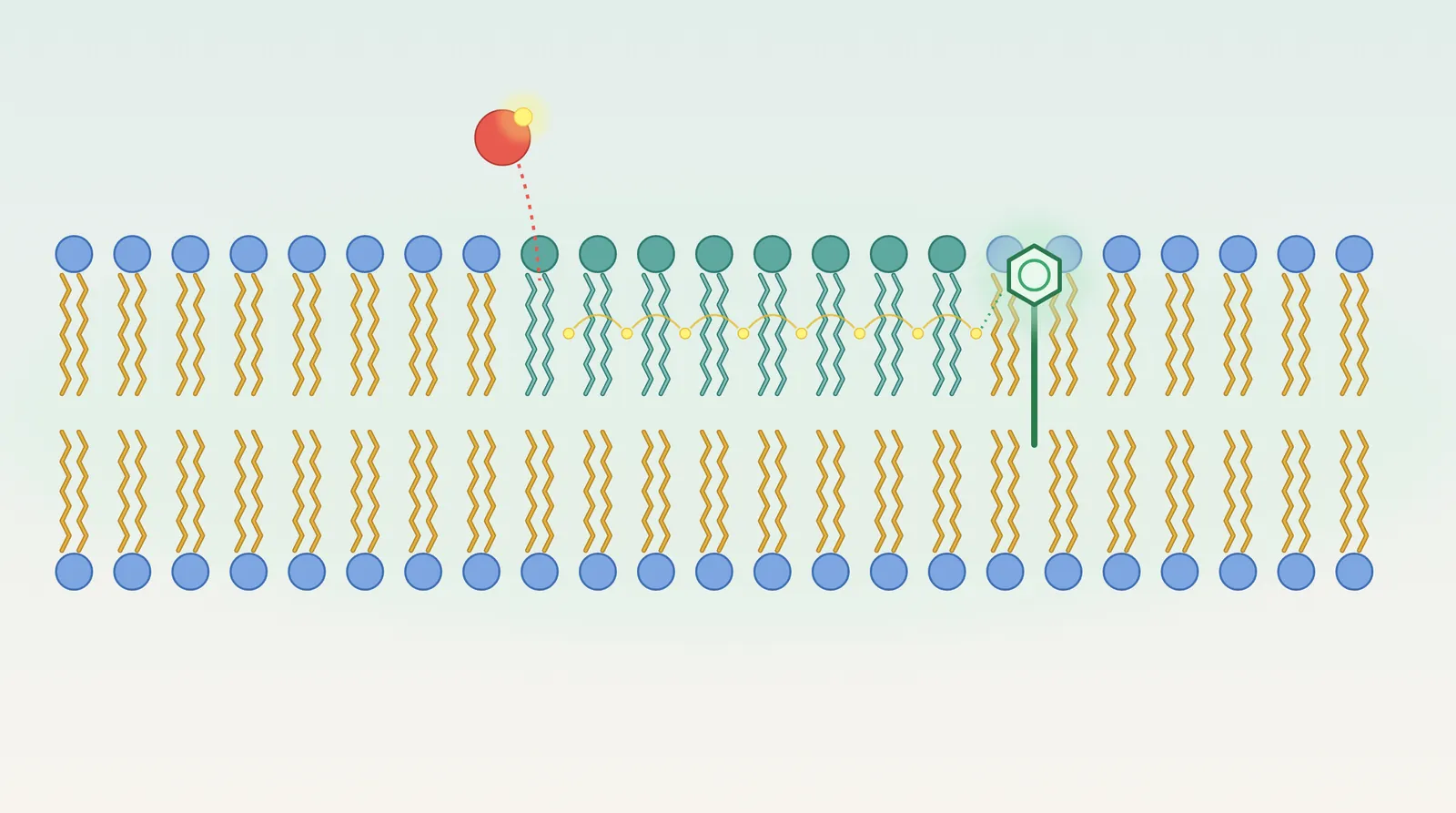
The lipids most prone to oxidation are those rich in double bonds, such as the polyunsaturated fatty acids in cell membranes. According to a 2014 review by Ayala and colleagues, the oxidation of these lipids proceeds in three steps:
- Initiation: An oxidant such as the hydroxyl radical abstracts a hydrogen atom from the carbon next to the fatty acid's double bonds. A carbon-centered lipid radical (L•) is left behind.
- Propagation: The lipid radical rapidly combines with oxygen to become a lipid peroxyl radical (LOO•). This radical abstracts a hydrogen atom from a neighboring fatty acid, producing a lipid hydroperoxide (LOOH) and a new lipid radical.
- Termination: An antioxidant such as vitamin E donates a hydrogen atom to the lipid peroxyl radical. The resulting antioxidant radical combines with another peroxyl radical, and only non-radical products remain.
The end products of the chain. Over time, hydroperoxides break down into aldehydes. According to Ayala, the best known of these are malondialdehyde (MDA) and 4-hydroxynonenal (4-HNE); MDA appears to be the most mutagenic product of lipid peroxidation and 4-HNE the most toxic.
How is Harman's free radical theory of aging seen today?
The idea in 1956. In a paper published in the Journal of Gerontology, Denham Harman proposed that one cause of aging could be the harmful "side attacks" on cell components by free radicals that are produced normally during metabolism. According to the later mitochondrial version of the theory, mitochondria that deteriorate with age produce more ROS, and ROS in turn damage the mitochondria further.
What was found in later years? According to a 2013 review by López-Otín and colleagues that set out the hallmarks of aging, new findings made an intense reassessment of the mitochondrial free radical theory unavoidable. In yeast and in the worm C. elegans, a rise in ROS could unexpectedly extend lifespan. In mice, genetic changes that increased mitochondrial ROS and oxidative damage did not accelerate aging, and those that boosted antioxidant defenses did not extend lifespan either. A 2014 review by Stuart and colleagues also notes that the data have not very often supported the theory.
Today's interpretation. According to López-Otín, the conflicting data can be reconciled once ROS are seen as a stress and survival signal that tries to compensate for the damage that builds up with age. ROS levels rise with age and, beyond a certain point, start to aggravate the damage rather than relieve it. In this framework, oxidative damage is not the only explanation of aging but one of its factors.
Where is the theory strongest in skin? In sun-induced aging: according to Rinnerthaler, collagen I, III and VII decrease markedly in skin aged by external factors, and MMPs, increased via AP-1, break down the extracellular matrix.
The skin's own antioxidant network: enzymes, vitamins and the vitamin E gradient
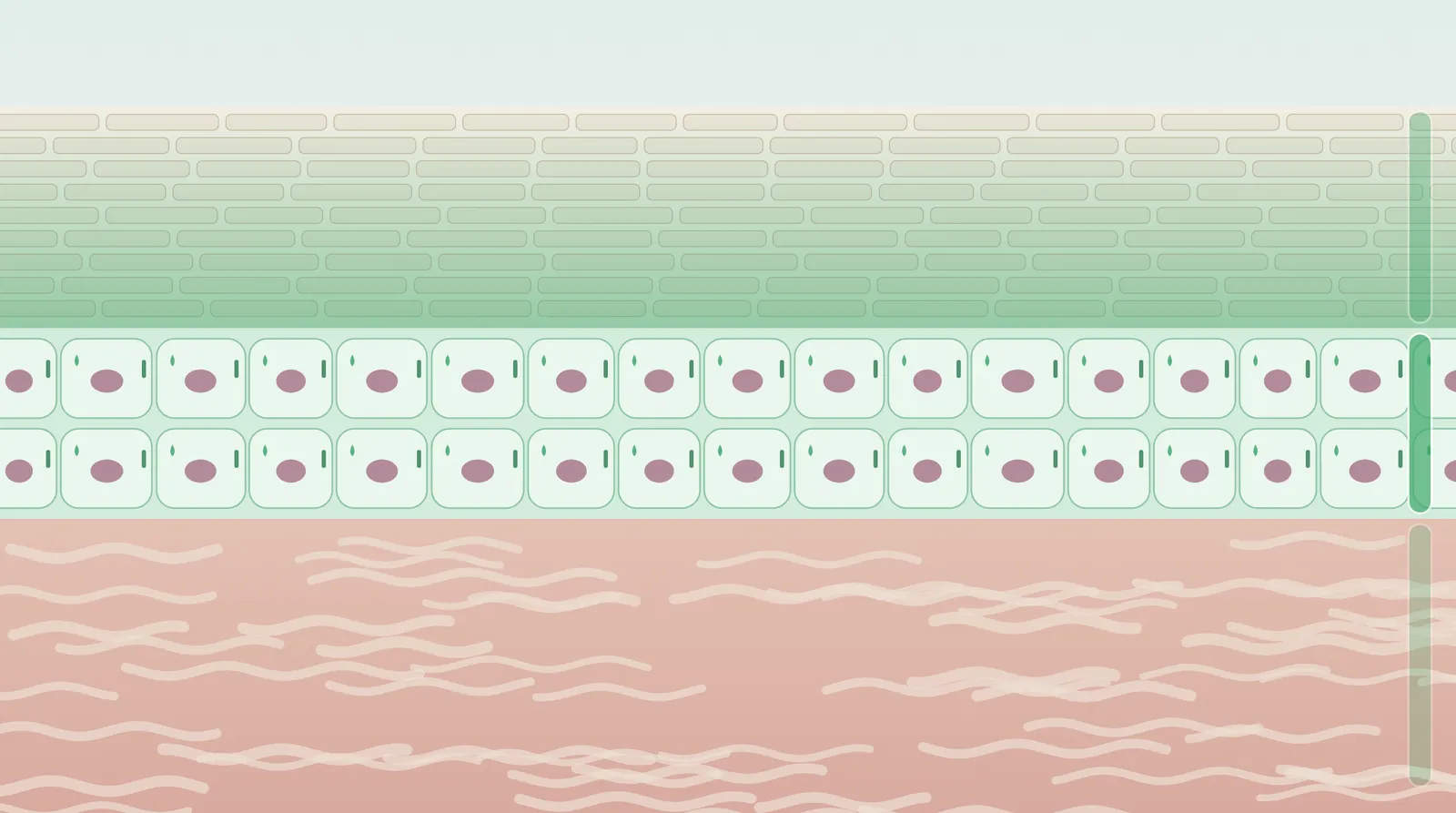
The skin builds a network against radicals in which the parts regenerate one another. According to a 2015 commentary by Sies, the main role in antioxidant defense is played by enzymes, not by small molecules. Part of the network works in water and part in lipid; this division determines where a molecule protects.
| Antioxidant | Type | Where it works | What does it do? | Excess in the epidermis compared with the dermis |
|---|---|---|---|---|
| Superoxide dismutase (SOD) | Enzyme | Aqueous phase | Converts superoxide to hydrogen peroxide | 126% |
| Catalase | Enzyme | Aqueous phase; prominent in the stratum corneum | Splits hydrogen peroxide into water and oxygen | 720% |
| Glutathione peroxidase | Selenium-containing enzyme | Aqueous phase | Uses glutathione to reduce hydrogen peroxide to water, stops lipid peroxidation | 61% |
| Glutathione | Small molecule (tripeptide) | Aqueous phase | One of the largest contributors to the cell's antioxidant capacity | 513% |
| Vitamin C (ascorbic acid) | Small molecule | Aqueous phase | Donates electrons; returns vitamin E to its active form | 425% |
| Vitamin E (alpha-tocopherol) | Small molecule | Lipid phase: cell membranes and the stratum corneum | Breaks the chain by donating hydrogen to the lipid peroxyl radical | 90% |
| Ubiquinol (reduced coenzyme Q10) | Small molecule | Lipid phase: membranes | Breaks the chain in lipid peroxidation | 900% |
Table sources: Shindo et al. (1994; skin samples from six volunteers), Rinnerthaler et al. (2015), Pei et al. (2023), Ayala et al. (2014), Al-Niaimi and Chiang (2017).
The epidermis is the first line of defense. In 1994 Shindo and colleagues found that every antioxidant they measured was more concentrated in the epidermis than in the dermis. According to the authors, it is not surprising that the layer that makes up the outermost 10% of the skin and meets oxidant attack first is the richer one. You can read about the structure of this layer in our guide to the layers of the epidermis and the stratum corneum barrier.
The vitamin E gradient in the stratum corneum. In 1998 Thiele and colleagues collected the stratum corneum of 10 volunteers layer by layer with adhesive tape. Alpha-tocopherol measured 6.5 picomoles per milligram at the surface and 76 picomoles in the deepest layers, about 12 times more. A single dose of solar-simulated UV, below the level that causes redness, reduced alpha-tocopherol in the stratum corneum by 45% in 6 people.
The network regenerates itself. According to Al-Niaimi and Chiang, vitamin C is the main regenerator of vitamin E. While stopping a radical, vitamin E becomes a radical itself; vitamin C restores it. Levels of both vitamins drop quickly after UV exposure.
What does oxidative stress do to skin? Collagen, elastin, dark spots and inflammation
Collagen breakdown. According to Al-Niaimi and Chiang, UV-generated ROS activate the transcription factors AP-1 and NF-κB and weaken TGF-β signaling; collagen-degrading MMPs increase and collagen production falls. In a study by Fisher and colleagues published in NEJM in 1997, a single UV exposure increased three MMPs in the skin, and the breakdown of type I collagen fibers in irradiated skin was 58% higher than in non-irradiated skin. We explain the details of this chain in our guide to collagen's structure, its types and why it declines in skin.
Elastic fibers and dark spots. According to Al-Niaimi and Chiang, the same process increases elastin deposition; the picture of photoaging includes pigmentation, dilated capillaries, rough texture, deep wrinkles and solar elastosis. You can find out why the accumulated elastic material is not a functional fiber in our elastin article on elastic fibers and solar elastosis. In Vierkötter's pollution data, too, the strongest association was with pigment spots, not with wrinkles.
Inflammation. In Liebel's study, visible light increased inflammatory cytokines along with ROS. According to Sies and colleagues, NF-κB is one of the main redox switches that govern the cell's response to oxidative stress.
What can antioxidant serums do, and what can't they do?
Topical antioxidants aim to support the skin's own reserve and to stop some radicals before they reach the cells. The evidence has built up most for vitamin C; for other ingredients the studies are small, and manufacturers funded a significant share of them.
Vitamin C: pH, concentration and stability
Penetration depends on the formula. According to a 2001 pig skin study by Pinnell and colleagues, the formula's pH must be below 3.5 for L-ascorbic acid to penetrate the skin. Absorption was best at a 20% concentration; skin levels were saturated after three days of application, and it took about 4 days for the level in the skin to halve. Derivatives such as magnesium ascorbyl phosphate and ascorbyl palmitate did not raise L-ascorbic acid levels in the skin.
Which concentration? According to Al-Niaimi and Chiang, a biological effect usually requires a concentration above 8%; going above 20% adds no benefit and may increase irritation. That is why reliable products sit in the 10-20% range.
Stability. According to a 2022 review by Yin and colleagues, ascorbic acid oxidizes to dehydroascorbic acid when exposed to light, heat, metal ions and alkaline conditions. According to a 2024 publication by Abric and colleagues, this oxidation goes hand in hand with yellowing of the formula and a loss of efficacy. Store the serum in opaque, tightly closing packaging.
Stable derivatives. 3-O-ethyl ascorbic acid is a stable derivative developed as an alternative to pure vitamin C, which oxidizes easily in air; in a 2019 laboratory study by Iliopoulos and colleagues, it was able to penetrate and pass through pig skin with suitable solvents. The key active in Longos Brightening Serum is stabilized 3-O-Ethyl Ascorbic Acid, and the serum is formulated for the look of uneven tone and dark spots. We gathered the other options for spots in our guide to how sun spots fade at home and in the clinic.
C, E and ferulic acid: what does "8-fold protection" mean?
In animal skin. In a 2005 pig skin study by Lin and colleagues, a solution containing 15% L-ascorbic acid and 1% alpha-tocopherol provided about 4-fold protection against UV. When 0.5% ferulic acid was added, the vitamins became more stable and protection rose to about 8-fold. Protection was measured by redness and sunburn cells after irradiation that followed four consecutive days of application.
In human skin. In a 2008 study by Murray and colleagues, the same formula was applied to volunteers' skin for four days; redness, sunburn cells, thymine dimers in DNA and inflammatory markers fell by every measurement method. According to the authors, the number of participants was relatively small. The study was funded by a grant from the company that holds the formula's patent, and the last author was a consultant to that company.
Reading the number correctly. "8-fold" is not an SPF value. According to Murray, this formula's mechanism of action differs from that of sunscreen, and it is expected to complement the protection that sunscreen provides.
Niacinamide, green tea, resveratrol and plant polyphenols
Niacinamide. In a 2005 double-blind study by Bissett and colleagues, 50 women applied 5% niacinamide to one half of the face and a vehicle cream to the other half for 12 weeks. On the niacinamide side, fine lines, spots, red blotchiness and sallowness decreased. All the authors worked at the company that funded the study.
Green tea. In a 2005 study by Chiu and colleagues, the clinical assessment of 40 women who used a 10% green tea cream and capsules for eight weeks did not differ from placebo; only the elastic tissue in biopsies improved. Results for oral use are conflicting. In a 2011 study by Heinrich and colleagues, a drink containing 1,402 mg of catechins a day reduced UV redness in 60 women by 16% at week 6 and by 25% at week 12. In a 2015 study by Farrar and colleagues, by contrast, 50 adults received 1,080 mg of catechins and 100 mg of vitamin C a day for 12 weeks; the sunburn threshold and the inflammatory response did not differ from placebo.
Resveratrol. In a 2025 randomized study by Rao and colleagues, women over 40 used 75 mg resveratrol capsules twice a day, a 1.5% resveratrol cream, both, or placebo for eight weeks; 122 people completed the study. On the wrinkle score, only the group using the capsule and the cream together differed from placebo; the study was funded by the company that develops the ingredient.
Epilobium and oenothein B. According to a 2016 review by Schepetkin and colleagues, oenothein B, which is abundant in Epilobium species, is a macrocyclic ellagitannin and directly scavenged superoxide and hydrogen peroxide in laboratory studies. Longos Detox & Blue Light Serum combines oenothein B from Epilobium with cocoa (Theobroma cacao) extract and is formulated for blue light and environmental stress.
Sunscreen comes first: why is an antioxidant a partner, not a substitute?
A division of labor. Sunscreen stops some photons before they reach the skin; an antioxidant deals with the radicals generated by the light that gets in. According to Al-Niaimi and Chiang, sunscreens only partly block the radicals that UV generates. In Liebel's study, UVA/UVB sunscreens reduced the ROS generated by visible light only very slightly; a sunscreen with an added antioxidant blend, however, reduced this stress in volunteers.
The order of priority. According to the American Academy of Dermatology (AAD), the two most effective anti-aging products are sunscreen and moisturizer. Sunscreen should be broad-spectrum, SPF 30 or higher and water-resistant, and should be reapplied every two hours when you are outdoors. The Academy also reminds readers that the results of anti-aging products are modest. We answered why you need it in the cold months too in our guide to sunscreen in winter, the right SPF and how much to apply.
You can place the antioxidant in your morning routine like this:
- Wash your face with a gentle cleanser and pat it dry.
- Apply the antioxidant serum: a low-pH product with 10-20% L-ascorbic acid or a stable vitamin C derivative. If stinging or redness occurs, use it every other day at first.
- Apply your moisturizer.
- As the last layer, apply a broad-spectrum sunscreen with SPF 30 or higher.
- If you are outdoors, reapply sunscreen every two hours.
Antioxidant supplements: what did the large trials find?
People who ate diets rich in fruit and vegetables and had high blood levels of beta-carotene and vitamin E had been observed to have a lower risk of lung cancer. The randomized trials that tested this produced unexpected results.
ATBC, 1994. In Finland, 29,133 male smokers aged 50-69 took 50 mg of alpha-tocopherol, 20 mg of beta-carotene, both, or placebo every day and were followed for 5-8 years. Lung cancer was 18% more frequent among those taking beta-carotene, and total mortality was 8% higher.
CARET, 1996. 18,314 people who smoked, had quit smoking or had been exposed to asbestos received 30 mg of beta-carotene and 25,000 IU of vitamin A daily. Lung cancer risk rose 1.28-fold; the trial was stopped 21 months early.
Skin cancer: SU.VI.MAX. In a 2007 analysis by Hercberg and colleagues, 7,876 women and 5,141 men took either a capsule containing vitamins C and E, beta-carotene, selenium and zinc at nutritional doses or placebo for a median of 7.5 years. In women, skin cancer was more frequent in the antioxidant group (hazard ratio 1.68); in men there was no significant difference.
The overall picture. A 2012 Cochrane review by Bjelakovic and colleagues pooled 78 randomized trials with 296,707 participants. In trials at low risk of bias, beta-carotene and vitamin E slightly increased mortality, while vitamin C and selenium showed no significant effect. The authors found no evidence to support supplements for preventing disease.
What it means in practice. According to the US National Center for Complementary and Integrative Health (NCCIH), antioxidants taken as pure chemicals can behave differently from those in food; high-dose vitamin E can increase the risk of bleeding and interact with blood-thinning medicines. If you smoke or used to smoke, talk to your doctor before starting a beta-carotene supplement.
Common myths about free radicals
"All free radicals are harmful." Neutrophils use ROS against microbes, and according to Sies a large share of signaling inside the cell is carried by hydrogen peroxide. The problem is not that radicals exist but that the balance shifts in favor of oxidants.
"The more antioxidants, the better." In Bjelakovic's review, beta-carotene and vitamin E supplements increased mortality; in SU.VI.MAX, skin cancer increased in women. Sies writes that the idea that a single vitamin can shift the whole redox balance overlooks the redundant and counter-regulatory systems in the network.
"An antioxidant serum replaces sunscreen." It does not. Even the researchers who studied the C, E and ferulic acid formula describe its effect as a complement to sunscreen.
"A yellowed vitamin C serum is stronger." Yellowing is a sign of oxidation and, according to Abric, goes hand in hand with a loss of efficacy.
"The antioxidant capacity on the label shows how well a product will protect your skin." This has not been shown. According to an article published in 2013 in the journal of the Academy of Nutrition and Dietetics, the US Department of Agriculture removed from its website the database that listed the antioxidant capacity values of foods, known as ORAC. The article notes that how these measurements relate to effects in the body is an unanswered question.
When should you see a dermatologist?
Some of the marks that sun and time leave on the skin call for a doctor's assessment:
- A changing mole or spot: The AAD recommends seeing a dermatologist without delay for a mole or pigmented spot in which one half does not match the other, the border is irregular, there is more than one color, the size is usually larger than 6 mm, or the size, shape or color is changing. Also book an appointment for spots that itch or bleed.
- Irritation that does not settle after a serum: According to a 2025 review by Makhakhe, stinging, redness and dryness can occur after topical vitamin C, though rarely. Stop using the product; if the irritation persists, see a dermatologist.
- If you are considering supplements: If you smoke or take blood thinners, consult your doctor before taking high-dose antioxidant supplements.
Where to start this week
The step with the strongest evidence is stopping light before it enters the skin. This week, make a broad-spectrum sunscreen with SPF 30 or higher your last layer every morning and add a vitamin C serum underneath it.
Before you start, run the Longos app's AI analysis once this evening on cleansed skin with no products on it, and note your pigmentation and skin tone evenness score. This score is not a diagnosis but a way to track cosmetic appearance; repeat it in the same light after eight weeks and judge the change by two measurements, not by guesswork. This is a skincare guide, not medical advice.
Frequently Asked Questions
What is a free radical, and how is it defined in biology and chemistry?
A free radical is an atom or molecule that carries at least one unpaired electron. Because electrons sit in pairs in stable molecules, a radical is short-lived and tends to pull electrons from neighboring molecules; the molecule that loses its electron also becomes a radical, and the damage can spread as a chain. In chemistry, a radical is marked with a dot placed next to the formula (as in •OH). In biology, the most important examples are superoxide and the hydroxyl radical. The oxygen molecule itself is also a biradical because of its two unpaired electrons.
Are hydrogen peroxide and singlet oxygen free radicals?
No. Both are counted among the reactive oxygen species (ROS), but they are not radicals because they carry no unpaired electron. Hydrogen peroxide is the product of the enzyme superoxide dismutase; if it enters the Fenton reaction with iron or copper, it forms the hydroxyl radical, one of the species that harm cells most severely. Singlet oxygen is an excited, metastable state of oxygen; in skin it can form through molecules that absorb UV. According to Sies and colleagues, these two species also take on important roles as messengers inside the cell.
What is the free radical theory, and is it still valid today?
In 1956 Denham Harman proposed that one cause of aging could be the damage done to cell components by free radicals produced normally in metabolism. Later studies complicated the picture: according to a 2013 review by López-Otín and colleagues, changes that boosted antioxidant defenses in mice did not extend lifespan, while in yeast and worms a rise in ROS could extend it. Today ROS are seen as both a signal and a source of damage; oxidative damage is not the only explanation of aging but one of its factors. In skin, the theory remains strongest for sun-induced aging.
What does free radical damage look like in skin?
Radicals generated by UV, visible light and infrared increase the collagen-cutting MMP enzymes and reduce collagen production. In a study by Fisher and colleagues, a single UV exposure increased type I collagen breakdown in irradiated skin by 58%. Over time this process shows up as wrinkles, rough texture, solar elastosis, dilated capillaries and pigment spots. In an observational study of 400 women in Germany, an increase in traffic-related particles was associated with about 20% more facial spots. Radicals also increase inflammatory signals.
What do antioxidants do in skin, and can an antioxidant serum replace sunscreen?
Antioxidants neutralize a radical by donating an electron or a hydrogen atom to it. The skin's own defense consists of enzymes such as superoxide dismutase, catalase and glutathione peroxidase, together with vitamin C, vitamin E and glutathione. A topical combination of 15% vitamin C, 1% vitamin E and 0.5% ferulic acid reduced UV damage in animal skin and in a small, manufacturer-supported human study. Even so, an antioxidant serum does not replace sunscreen; the researchers themselves describe the effect as a complement to sunscreen. Apply the serum under your sunscreen.
Are antioxidant supplements good for the skin?
Large randomized trials did not show the expected benefit. In the ATBC trial of 29,133 male smokers in Finland, beta-carotene increased lung cancer by 18%. In the French SU.VI.MAX trial, skin cancer was more common in women taking antioxidant capsules. A Cochrane review pooling 78 trials found that beta-carotene and vitamin E slightly increased mortality. The US NCCIH notes that high-dose vitamin E can increase the risk of bleeding. Get your antioxidants from food; if you are considering a supplement, especially if you smoke, talk to your doctor first.
Clinical evidence

